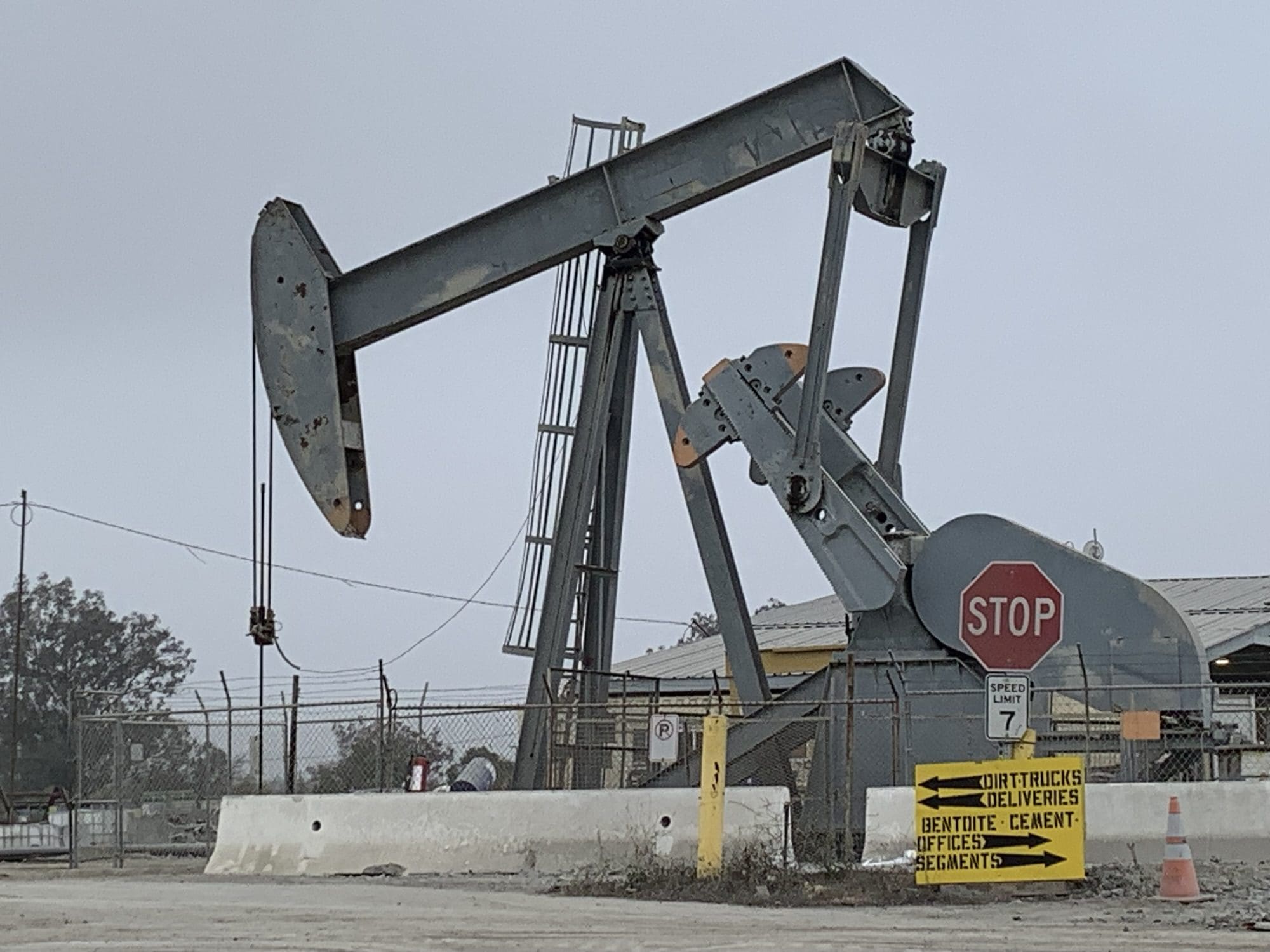
Pennsylvania Marcellus Shale operators face insurance exposures that standard carriers routinely exclude — blowouts, fracking fluid spills, produced water contamination, and DEP bonding obligations. This guide covers control of well, pollution liability, workers’ comp class codes, and surplus lines placement for active PA natural gas operators.
Pennsylvania Marcellus Shale Operator’s Guide to Oil & Gas Insurance (2026)
On June 3, 2010, EOG Resources lost control of a Marcellus Shale gas well in Lawrence Township, Clearfield County, Pennsylvania. The blowout preventer failed. Natural gas and flowback frack fluid shot 75 feet into the air. An emergency well-control team had to be flown in from Texas — and didn’t arrive for 16 hours. When the dust settled, the Pennsylvania DEP issued a $400,000 fine and suspended EOG’s statewide drilling operations. The well had to be capped and investigated. A spring in the area registered elevated conductivity indicating potential chemical seepage.
EOG Resources is one of the largest independent oil and gas companies in North America. They had the financial resources to absorb a $400,000 fine, fly in a Boots & Coots team on short notice, and survive a DEP suspension.
Most Pennsylvania Marcellus Shale operators are not EOG Resources.
For an independent operator running 2 to 15 horizontal wells in Bradford, Susquehanna, or Washington County, a blowout without proper well-control coverage isn’t a bad quarter. It’s a company-ending event. The well-control specialists alone can run $500,000 to $3 million. Add redrilling costs, third-party pollution cleanup, groundwater replacement obligations under Pennsylvania law, and DEP enforcement costs — and you have a liability exposure that makes the original well investment look small.
This guide explains exactly what insurance Pennsylvania Marcellus Shale operators need, what the state’s bonding requirements actually require, and where to find coverage in the surplus lines market when standard carriers say no.
- Standard GL policies exclude most Marcellus Shale exposures — blowout, pollution, and fracking fluid releases are not covered without endorsements or separate policies.
- Pennsylvania’s Act 13 bonding requirements for unconventional (horizontal/fracked) wells are significantly higher than for conventional wells — up to $600,000 for large operators.
- Control of Well (COW) insurance is critical for any horizontal well operator; well-control costs routinely exceed $500,000 per incident.
- Workers’ comp class codes matter — incorrect classification is one of the most common and costly audit surprises in the oilfield.
- Pollution liability must be standalone — EIL and/or CPL coverage is required to address fracking fluid, produced water, and methane migration claims.
- Surplus lines placement is the practical reality for active Marcellus operators; admitted markets routinely decline or exclude the highest-hazard exposures.
- CVI is licensed in Pennsylvania (PA Lic. 1017362) and places E&S oil and gas accounts through wholesale partners including RT Specialty and AmWins.
1. The Marcellus Shale: Why Pennsylvania Is Different
The Marcellus Shale isn’t just a rock formation — it’s the largest natural gas field in the United States and one of the largest in the world. Understanding its geology and regulatory context is the foundation for understanding why insurance here is different from conventional oil and gas operations.
The Marcellus Shale formation runs through much of Pennsylvania at depths of 5,000 to 8,000 feet beneath the surface. It extends into New York, West Virginia, and Ohio, but Pennsylvania sits at its productive heart. The formation holds an estimated 84 to 144 trillion cubic feet of technically recoverable natural gas — enough to power the entire United States for several years.
Pennsylvania’s most productive Marcellus counties are concentrated in two regions:
Northcentral and Northeastern Pennsylvania: Susquehanna, Bradford, Lycoming, Tioga, and Sullivan counties. This region produces some of the highest-volume dry gas wells in the formation, with individual wells capable of initial production rates exceeding 20 million cubic feet per day.
Southwestern Pennsylvania: Washington, Greene, and Westmoreland counties. This region produces wet gas (gas with higher concentrations of natural gas liquids), which adds value per MCF but also adds processing and transport complexity.
What makes Marcellus Shale operations categorically different from conventional Pennsylvania oil and gas work — and from an insurance standpoint, categorically more complex — are the operational requirements:
Horizontal Drilling: Rather than drilling straight down, Marcellus wells drill vertically to the shale zone and then turn horizontal, running laterally for 5,000 to 10,000 feet or more through the formation. Total wellbore lengths routinely exceed 10,000–15,000 feet.
Hydraulic Fracturing: Once drilled, the horizontal wellbore is fractured in multiple stages using high-pressure water, sand, and chemical additives. A single frac job can use 4 to 8 million gallons of water and create extreme downhole pressure conditions. These are the conditions that, when something goes wrong, produce the kind of blowout that hit Clearfield County in 2010.
Produced Water and Frac Returns: A significant volume of frac fluid returns to the surface after each completion, along with formation brine that can have salinity levels higher than seawater. Managing, transporting, and disposing of this produced water creates ongoing pollution liability exposure throughout the life of the well.
Pennsylvania Context: The state’s natural gas impact fee revenue has now surpassed $3.12 billion cumulatively, and Pennsylvania ranks as the third-largest electricity producer and largest electricity exporter in the nation — largely on the strength of Marcellus Shale gas. This is an active, economically significant formation, and the insurance market treats it accordingly.
For insurance underwriters, Marcellus Shale operations carry severity profiles that look nothing like conventional wells. The combination of extreme depths, horizontal laterals, hydraulic fracturing, and dense surface infrastructure (multi-well pads, water storage impoundments, pipeline connections) means that a single incident can involve multiple simultaneous exposures — well control, pollution, property damage, bodily injury, and business interruption — all arising from the same event.
Standard admitted carriers understood this early and responded by either declining to write these risks or loading their policy forms with exclusions that effectively leave the operator bare when it matters most. The result: Pennsylvania Marcellus Shale operators live in the surplus lines market, whether they know it or not.
Need Marcellus Shale Insurance in Pennsylvania?
CVI is licensed in Pennsylvania (PA Lic. 1017362) and specializes in surplus lines oil and gas placements that standard carriers decline. We access wholesale markets including RT Specialty and AmWins to build the coverage Marcellus operators actually need.
Get a Quote — Call or Text 818-974-8117Or email steve@cvins.com with your well count, locations, and revenue.
2. Pennsylvania DEP Bonding Requirements for Well Operators
Before any permit issues and before any drill bit turns, Pennsylvania requires oil and gas well operators to post financial security with the DEP. Understanding what’s required — and what satisfies those requirements — is table stakes for any operator working the Marcellus.
Pennsylvania’s bonding framework is governed by Title 58 of the Pennsylvania Consolidated Statutes, specifically Section 3225, enacted as part of Act 13 of 2012 (the Oil and Gas Act). The key distinction is between conventional wells and unconventional wells — and every Marcellus Shale well is unconventional by definition.
Under Pennsylvania law, an unconventional well is defined as a well in a geological shale formation existing below the base of the Elk Sandstone or its geologic equivalent, where natural gas cannot be produced at economic rates without hydraulic fracture stimulation. If you’re drilling the Marcellus, you’re unconventional.
Unconventional Well Bonding Amounts (Act 13, Title 58 §3225)
Bond amounts are based on wellbore length and number of wells operated. The Environmental Quality Board has authority to adjust amounts every two years to reflect current plugging costs.
Wells with Total Wellbore Length ≥ 6,000 Feet (Typical Marcellus Horizontal Wells)
| Number of Wells Operated | Bond Requirement | Maximum Cap |
|---|---|---|
| 1 – 25 wells | $10,000 per well | $140,000 |
| 26 – 50 wells | $140,000 + $10,000/well over 25 | $290,000 |
| 51 – 150 wells | $290,000 + $10,000/well over 50 | $430,000 |
| More than 150 wells | $430,000 + $10,000/well over 150 | $600,000 |
Wells with Total Wellbore Length < 6,000 Feet
| Number of Wells Operated | Bond Requirement | Maximum Cap |
|---|---|---|
| 1 – 50 wells | $4,000 per well | $35,000 |
| 51 – 150 wells | $35,000 + $4,000/well over 50 | $60,000 |
| 151 – 250 wells | $60,000 + $4,000/well over 150 | $100,000 |
| More than 250 wells | $100,000 + $4,000/well over 250 | $250,000 |
Conventional Wells
| Well Type | Bond Per Well | Notes |
|---|---|---|
| Conventional wells (all) | $2,500 per well | EQB has no authority to adjust this amount for 10 years from Act 13 effective date |
| Blanket bond (conventional) | $25,000 | Covers all conventional wells for the operator statewide |
How Can Operators Satisfy the Bonding Requirement?
Pennsylvania DEP accepts several forms of financial security under Title 58 §3225:
Corporate surety bond — the most common method. An operator pays an annual premium (typically 1–5% of bond amount depending on financial strength) to a licensed surety company, which issues the bond in favor of the Commonwealth. A surety bond is not insurance, but it functions similarly: the surety pays if the operator fails to plug and restore.
Cash deposit — the full bond amount deposited with the Pennsylvania State Treasurer in trust for the Commonwealth.
Certificates of deposit or U.S. Treasury securities — held by the State Treasurer in the operator’s name, for the benefit of the Commonwealth.
Irrevocable letter of credit — from a Pennsylvania-chartered or federally chartered financial institution.
Alternative fee in lieu of bonding — available in limited circumstances as determined by DEP.
Important: The bond covers plugging and site restoration — it is not a substitute for commercial insurance. A Marcellus operator that satisfies DEP’s bonding requirement but carries no GL, COW, or pollution liability coverage is not protected against third-party claims, well-control costs, or environmental cleanup liabilities beyond plugging. Bonding and insurance are separate requirements that work together.
What Happens Without a Bond?
Operating without a required bond exposes the operator to permit denial, permit revocation, DEP enforcement action, and personal liability for plugging costs if the operator abandons or dissolves. Pennsylvania’s Act 96 of 2022 further strengthened orphan well plugging oversight. The DEP takes bond compliance seriously — and so should every Marcellus operator.
CVI can assist operators who need surety bond referrals as part of a broader insurance and compliance package. Call or text 818-974-8117 or visit our Services page for more information.
3. General Liability Coverage for Marcellus Operators
Every Marcellus Shale operator needs commercial general liability coverage. The question isn’t whether to buy it — it’s whether the policy you buy actually covers the risks you actually face.
A standard Commercial General Liability (CGL) policy on an ISO occurrence form provides broad protection against third-party bodily injury and property damage claims. For most businesses, it’s sufficient. For Marcellus Shale operators, it is almost never sufficient on its own — because the standard form contains exclusions that gut coverage for the most significant exposures in oilfield operations.
The Five Standard CGL Exclusions That Hurt Marcellus Operators Most
| Exclusion | What It Does | Why It Matters for Marcellus |
|---|---|---|
| Pollution Exclusion | Bars coverage for bodily injury or property damage arising from the release of pollutants | Fracking fluid, produced water, methane migration, and brine are all classified as “pollutants.” This exclusion eliminates most of the environmental claims Marcellus operators actually face. |
| Expected or Intended Injury | Bars coverage if the operator expected or intended the harm | Can be triggered in DEP enforcement contexts where operators knew of a problem and continued operations |
| Contractual Liability | Limits coverage for liability assumed under contract | Operating agreements, surface use agreements, and midstream contracts often contain indemnity obligations that need standalone treatment |
| Professional Services | Bars coverage for advice, recommendations, or professional services | Relevant for operator-level wellbore design and reservoir engineering decisions that could be characterized as professional acts |
| Underground Resources and Equipment | Bars coverage for damage to underground property, including well casing, drilling tools, and subsurface formations | Directional drilling in the Marcellus creates real risk of underground property damage — this exclusion can leave operators without coverage for downhole equipment losses |
Recommended GL Limits for Marcellus Operators
Minimum recommended limits for independent Marcellus Shale operators:
Small operators (1–5 wells, <$5M revenue): $1M per occurrence / $2M aggregate GL with a $5M umbrella or excess. Total effective limit: $6M.
Mid-size operators (6–25 wells, $5M–$25M revenue): $1M–$2M GL occurrence with $10M–$25M umbrella. Total effective limit: $11M–$27M.
Larger operators (25+ wells or working interest in major pads): Operator agreements and midstream contracts often require $5M–$10M primary GL with $25M or higher excess. Confirm specific requirements before executing any operating agreement.
Coverage Tip: When obtaining a GL policy for Marcellus operations, verify that the policy specifically covers or can be endorsed to cover: hydraulic fracturing operations, produced water handling, blowout (if not separately scheduled under COW), and contractual liability for operating agreements. Review exclusions with your broker before binding.
4. Control of Well (COW) Insurance
Control of Well insurance is the coverage that steps in when a well kicks, a blowout preventer fails, or a hydraulic fracturing operation produces an unexpected pressure event. For Marcellus Shale operators, it is one of the most important — and most frequently misunderstood — lines of coverage in the program.
The EOG Resources blowout in Clearfield County illustrates why. A well-control team had to be flown in from Texas. Even for a relatively “contained” blowout (the DEP described environmental damage as “modest”), the costs included: well-control specialists and equipment, mobilization from out of state, 16 hours of on-site operations, site cleanup, spring water monitoring, DEP investigation support, and regulatory fines. EOG’s $400,000 fine was the regulatory piece; the operational and remediation costs ran well beyond that.
What Control of Well Insurance Covers
| Coverage Component | What It Pays |
|---|---|
| Well Control Costs | Costs to regain control of a well that has blown out or is experiencing an uncontrolled release, including specialist team mobilization, equipment, and operations |
| Redrilling / Restoration | Costs to redrill or restore the wellbore if the original bore is damaged or destroyed during the blowout incident |
| Third-Party Property Damage | Physical damage to third-party property caused by the well control event (adjacent structures, roads, fences, surface installations) |
| Seepage, Pollution & Cleanup (SPC) | Cleanup costs for pollution conditions arising from the blowout — fracking fluid, produced water, brine, and hydrocarbon release |
| Third-Party Bodily Injury | Claims from third parties (landowners, neighboring surface owners, downstream water users) arising from the well control event |
| Extra Expense | Additional operational costs incurred because of the blowout — equipment standby, logistics, alternative water supply for affected parties |
COW Limits: What’s Appropriate for Marcellus Operations?
COW limits for Marcellus horizontal wells should reflect the actual cost of a worst-case well control event. Minimum recommended limits:
Single-well or few-well operators: $3M–$5M per occurrence. This is a floor, not a ceiling — well-control costs in the Marcellus can exceed $2M for a complicated horizontal lateral at 10,000+ feet.
Multi-pad operators (5+ wells): $5M–$10M per occurrence. Multi-well pad blowouts create cascading exposures across multiple wellbores.
Operators with midstream or surface infrastructure nearby: $10M+. A blowout on a pad adjacent to a gathering pipeline, compressor station, or gas processing facility creates property damage exposure that conventional COW limits won’t absorb.
Critical Gap: Many Marcellus operators assume their general liability policy covers blowout costs. It almost never does. Standard CGL forms exclude pollution, exclude underground resources, and typically exclude the specific well-control costs that COW covers. If you haven’t reviewed your GL policy for its treatment of blowout, schedule a coverage review today.
Call CVI at 818-974-8117 for a no-cost policy review.
COW Underwriting: What Carriers Need
COW underwriters for Marcellus Shale operations will want to see: well count and wellbore depths, completion method (hydraulic fracturing specifics including number of stages and frac fluid volumes), well ages and production histories, prior loss experience (especially any blowout, kick, or well-control incidents), BOP inspection records, and the identity of your contracted well-control response team. Having a pre-designated well-control contractor on retainer is increasingly expected by underwriters — and the Chesapeake Energy Bradford County blowout (which required a Texas crew to fly in after 13+ hours) is exactly the scenario they’re pricing against.
CVI places COW coverage for Pennsylvania operators through our E&S wholesale market access. Learn more about COW coverage basics in our COW insurance guide for small operators.
Control of Well Gap in Your Program?
If your current insurance program doesn’t include a standalone Control of Well policy, your Marcellus Shale operation has a coverage gap that could end your business. CVI places COW coverage for Pennsylvania operators through wholesale E&S markets. Let’s review your program.
Call or Text: 818-974-8117No-cost policy review available for PA oil and gas operators. Or use our contact form.
5. Workers’ Compensation & NCCI Class Codes
Workers’ compensation is mandatory in Pennsylvania for virtually all employers. For Marcellus Shale operators, it is also one of the highest-premium lines in the program — and one of the areas most frequently mishandled by brokers who don’t specialize in oilfield risks.
Pennsylvania uses NCCI (National Council on Compensation Insurance) class codes for workers’ comp rating. Correct classification is not just a compliance issue — it determines whether your premium is accurate and whether your policy responds correctly when a claim occurs. Misclassifying drilling crews under a lower-hazard code is one of the most common audit findings in oil and gas accounts, and the retroactive premium adjustments can be substantial.
Key NCCI Class Codes for Marcellus Shale Operations
| NCCI Code | Classification | Typical Marcellus Application |
|---|---|---|
| 6235 | Oil or Gas Well Drilling or Redrilling | Primary code for Marcellus drilling crews — rotary drilling, directional drilling, horizontal drilling. Highest hazard rate. Applies to the actual drilling phase. |
| 6236 | Oil or Gas Well Services | Completion operations, perforating, logging, production testing, and well servicing after drilling is complete. Still high hazard. |
| 6204 | Oil, Gas or Chemical Plant | Operations at processing facilities, gas dehydration units, compressor stations associated with Marcellus gathering systems |
| 7515 | Gas Main or Connection | Midstream gathering pipeline construction and maintenance, interconnect work |
| 8810 | Clerical / Office | Administrative staff only — never apply to field personnel, lease operators, or anyone who visits well sites |
| 7380 | Drivers / Chauffeurs | Trucking personnel hauling water, sand, or produced water for Marcellus operations |
The Audit Risk in Oilfield Workers’ Comp
Workers’ comp policies are auditable — meaning the final premium is adjusted after policy expiration based on actual payroll by class. For Marcellus operators, the audit risks include:
1. Misclassified field personnel — Lease operators, water haulers, and roustabouts placed under office or light-duty codes rather than the appropriate oilfield class. The retroactive reclassification to 6235 or 6236 at audit can produce premium increases of 300–500%.
2. Independent contractor reclassification — Pennsylvania’s Bureau of Workers’ Compensation takes a broad view of employee status. Oilfield “independent contractors” who work exclusively for one operator may be reclassified as employees, triggering retroactive premium and potential penalties.
3. Subcontractor certificates of insurance — If a subcontractor hired for fracking, trucking, or well services doesn’t carry their own workers’ comp, Pennsylvania law may make the upstream operator liable for those workers’ comp claims. Always obtain certificates before allowing any subcontractor on site.
Best Practice: For Marcellus Shale operators using multiple subcontractors for drilling, completion, and production services — maintain a certificate-of-insurance tracking log updated before each phase of work. CVI can provide guidance on what certificates to require and how to verify them. See our Services page for more.
Pennsylvania is a competitive state for workers’ comp. While some admitted carriers will write oil and gas workers’ comp, hazard codes 6235 and 6236 are frequently declined by standard markets or subject to significant premium loads. CVI accesses specialty oilfield workers’ comp markets through wholesale partners who understand the Marcellus classification structure.
6. Pollution Liability: EIL and CPL Coverage for Marcellus Operators
Pennsylvania’s Marcellus Shale sits beneath some of the most water-rich geology in the eastern United States. More than one billion gallons of groundwater are pumped from Pennsylvania aquifers annually, with more than half supplying domestic drinking water. When Marcellus operations create a pollution condition — and they do, from fracking fluid spills to methane migration — the third-party claims exposure is significant and the regulatory enforcement exposure is immediate.
Two categories of pollution coverage matter for Marcellus operators: Environmental Impairment Liability (EIL) and Contractors Pollution Liability (CPL). While these are related, they cover different things.
Environmental Impairment Liability (EIL)
EIL covers pollution conditions at owned or leased locations — in the Marcellus context, the well site, the pad, the impoundment, the access road, and the mineral lease footprint. It responds to:
First-party cleanup costs (what the operator has to spend to remediate a pollution condition on their own lease or pad). Third-party bodily injury from pollution — neighboring landowners, water well users downstream of a spill. Third-party property damage — contaminated streams, aquifers, farm ponds, or neighboring properties. Regulatory defense costs — DEP enforcement proceedings, notices of violation, and consent orders that require legal defense.
EIL is particularly important for Marcellus operators because Pennsylvania law — specifically the Oil and Gas Act — imposes a presumption of liability on well operators when a water supply within a specified radius of drilling activity is contaminated within six months of spudding. The burden shifts to the operator to prove the contamination did not result from their operations. EIL coverage provides the defense and pays the damage if the operator can’t rebut the presumption.
Contractors Pollution Liability (CPL)
CPL covers pollution conditions arising from ongoing operations — not at the operator’s own site, but at third-party locations or caused by third-party service contractors. In the Marcellus context, CPL responds to:
A frac crew spilling fracking fluid at a neighboring landowner’s property during completion operations. Produced water trucking spills on a state road or in a waterway. Drilling mud discharge during a pipe failure at a road crossing. Methane migration from drilling operations reaching an adjacent water well.
CPL also covers completed operations — meaning claims that arise after the work is done. In the Marcellus, where methane migration claims may not surface until months or years after completion, completed operations tail coverage is essential.
The Standard GL Pollution Exclusion: Standard Commercial General Liability policies issued on ISO forms contain a “Total Pollution Exclusion” endorsement (CG 21 49 or similar) that bars virtually all pollution-related claims. This exclusion was specifically drafted to eliminate the gray-area litigation that followed early “sudden and accidental” pollution interpretations. Under the Total Pollution Exclusion, fracking fluid releases, produced water spills, methane migration, and brine discharges are all excluded from CGL coverage. EIL and CPL exist specifically to fill this gap.
Recommended Pollution Liability Limits for Marcellus Operators
Small operators (1–5 wells): $1M–$3M per occurrence / $2M–$5M aggregate for both EIL and CPL. Minimum $1M is often required by surface use agreements and DEP conditions of approval.
Mid-size operators (6–25 wells): $5M per occurrence / $10M aggregate. Consider a separate “Pollution Legal Liability” (PLL) form that bundles EIL and CPL under a single policy.
For a detailed discussion of EIL coverage structure, see our EIL policy overview.
Is Your Pollution Liability Coverage Actually Covering You?
Most Marcellus operators’ standard GL policies exclude exactly the pollution events they’re most likely to face. CVI places standalone EIL and CPL coverage through specialty E&S markets for PA oil and gas operators. A policy review takes 20 minutes and could reveal a six-figure gap in your program.
Request a Policy ReviewCall or text 818-974-8117 | steve@cvins.com | PA Lic. 1017362
7. Commercial Auto & Inland Marine
Marcellus Shale operations generate heavy vehicle activity. Water trucks, sand haulers, pipe trucks, production fluid tankers, and pickup trucks for lease operators create significant commercial auto exposure. A complete auto program for a Marcellus operator typically includes:
Commercial Auto Liability — covering owned, non-owned, and hired vehicles. Minimum limits of $1M CSL are common in operating agreements; higher limits are often required for vehicles transporting hazardous materials (produced water, chemicals). USDOT registration and Motor Carrier Act endorsements may apply for larger transport operations.
Physical Damage Coverage — collision and comprehensive for owned fleet vehicles. For operators running high-value specialized equipment (multi-axle water transport trucks, specialty service vehicles), agreed value or stated amount coverage is preferable to ACV.
Inland Marine / Mobile Equipment — covers portable equipment that isn’t on a vehicle schedule. For Marcellus operators, this includes: portable generators, wellhead monitoring equipment, portable pumps, safety equipment, and portable computing and telemetry equipment at the pad. Consider scheduling high-value downhole tools (directional drilling assemblies, wireline equipment) specifically.
Equipment Breakdown / Boiler and Machinery — increasingly relevant for operators with compression equipment, gas processing equipment, or significant electrical infrastructure at multi-well pads.
8. Commercial Umbrella & Excess Liability
A commercial umbrella or excess liability policy is the backbone of a Marcellus Shale operator’s liability program. It sits above the underlying GL, commercial auto, and (in some structures) employers’ liability limits, extending total available coverage for any single catastrophic event.
For Marcellus operators, the umbrella should be “follow form” — meaning it follows the terms and conditions of the underlying policies rather than introducing new exclusions at the excess layer. Some umbrella markets try to introduce a pollution exclusion at the umbrella layer even when the operator has a separate EIL policy. This creates a coverage gap: the EIL’s limits exhaust, and the umbrella’s pollution exclusion means there’s no further protection. Verify umbrella policy language carefully.
Minimum umbrella limits for Marcellus operators: $5M is a floor for small operators. Operating agreements with E&P companies, midstream companies, or state agencies routinely require $10M–$25M total limits. Some leasehold agreements with large landowners (timber companies, investment funds) require $25M or higher. Know your contractual obligations before purchasing your umbrella.
9. Why Surplus Lines Is the Right Market for Marcellus Shale Operators
The surplus lines (Excess & Surplus, or E&S) market exists for risks that admitted carriers won’t write at adequate limits, or won’t write at all. Pennsylvania Marcellus Shale operators fall squarely into this category for most of their significant exposures.
Admitted carriers in Pennsylvania — companies that file rates and forms with the Pennsylvania Insurance Department and are backed by the state guaranty fund — have the ability to write oil and gas risks. Many have chosen not to write active unconventional drilling operations, hydraulic fracturing exposures, or blowout-related liabilities. Their loss experience with these risks, and the legal environment around fracking-related claims in Pennsylvania, has made admitted carriers cautious.
The surplus lines market — accessed through a licensed surplus lines broker — offers coverage forms that are not filed with the state insurance department and therefore can be customized to the specific risk. E&S carriers and Lloyd’s of London syndicates that specialize in oil and gas can offer:
Broader GL forms that include coverage for hydraulic fracturing operations. Standalone COW policies with appropriate limits and covered costs. EIL/CPL policies specifically designed for unconventional well operators. Workers’ comp through specialty oilfield markets that understand the classification structure. Umbrella and excess programs that follow form through to the specific oilfield endorsements on the underlying policies.
Pennsylvania Surplus Lines Licensing: In Pennsylvania, a surplus lines transaction requires that the risk be first declined by admitted carriers (or be eligible for placement without declination under specific excess lines eligibility criteria), and that the transaction be handled by a Pennsylvania-licensed surplus lines broker. CVI holds Pennsylvania Insurance License 1017362 and is authorized to place surplus lines business in Pennsylvania.
CVI accesses the E&S market through wholesale broker partners including RT Specialty and AmWins — two of the largest and most respected wholesale brokers in the United States, with dedicated energy practice groups that regularly place Marcellus Shale risks. When an independent Marcellus operator comes to us, they get access to the same market-level relationships that larger operators have been using for years.
10. What Underwriters Need: Your PA Marcellus Shale Submission Checklist
To obtain competitive terms for a Marcellus Shale insurance program, be prepared to provide the following to your broker at the time of submission. The more complete your submission, the faster and more favorable the underwriting response.
| Category | Information Required | Why It Matters |
|---|---|---|
| Operator Profile | Legal name, FEIN, years in operation, organizational structure | Establishes the named insured and entity structure; multi-entity operators need to confirm all entities are scheduled |
| Well Count & Location | Number of active producing wells, number proposed; county locations; DEP well permit numbers if available | Drives primary GL and COW limits; county location affects wildcat vs. established-field risk assessment |
| Well Depth & Type | Wellbore depths (TVD and MD), horizontal lateral lengths, target formation | COW underwriters price on wellbore depth; bonding requirement also varies by wellbore length |
| Completion Method | Hydraulic fracturing: number of stages, frac fluid volumes, proppant type | Critical for COW underwriting; high frac intensity increases blowout severity expectation |
| Revenue | Gross operating revenue (prior year and projected); breakdown by operated vs. non-operated working interest | GL premium is often rated on revenue; also establishes business interruption exposure |
| Payroll by Class | Total payroll by NCCI class code; separate drilling, completion, production, and office staff | Required for workers’ comp rating; correct classification prevents audit surprises |
| Loss History | 5-year loss runs for all lines (GL, auto, workers’ comp, umbrella); any COW or pollution claims ever | Loss history is the single biggest pricing driver; clean history produces materially better terms |
| Subcontractor Program | Types of subcontractors used (drilling, frac, trucking, pipeline), their insurance requirements, COI collection process | Underwriters want to see that the operator manages subcontractor liability; gaps here increase premium |
| BOP & Safety Records | Blowout preventer inspection records, OSHA recordable incident rate, safety program summary | COW underwriters specifically request BOP maintenance documentation; low OSHA TIR supports favorable workers’ comp pricing |
| Existing Coverage | Current declarations pages and policy forms for all lines; expiration dates | Allows CVI to identify gaps, avoid double-coverage, and time the new program for a clean transition |
11. Frequently Asked Questions: Pennsylvania Marcellus Shale Insurance
Most Marcellus Shale operators do need a surplus lines broker for at least some of their coverage. Standard admitted carriers routinely exclude blowout, pollution, and high-hazard drilling exposures. A licensed surplus lines broker can access E&S markets that actually write these risks. CVI holds Pennsylvania surplus lines license 1017362 and specializes in placing exactly these accounts.
Control of well (COW) insurance covers the costs of regaining control of a blowout, redrilling if the original wellbore is destroyed, and third-party property damage and pollution cleanup resulting from a well control incident. Any Marcellus Shale operator running horizontal hydraulically fractured wells should carry COW coverage — these wells involve extreme downhole pressures that make blowout risk real. The EOG Resources blowout in Clearfield County illustrates exactly what happens without it.
Under Pennsylvania’s Act 13 (Title 58, Section 3225), unconventional well operators must post a surety bond or approved financial security before drilling. For wells with wellbore length ≥6,000 feet (typical for Marcellus horizontal wells): up to 25 wells = $10,000/well (max $140,000); 26–50 wells = $140,000 + $10,000/well (max $290,000); 51–150 wells up to $430,000; over 150 wells up to $600,000. This bond covers plugging and site restoration — it is separate from and does not substitute for commercial insurance.
The primary NCCI class code for oil and gas drilling crews is 6235 (Oil or Gas Well Drilling or Redrilling). Well servicing and completion operations use 6236. Pipeline construction uses 7515. Misclassification to a lower-hazard code is a serious audit risk; always verify codes with your broker before binding.
No. Standard CGL policies issued on ISO forms contain a blanket pollution exclusion that bars coverage for fracking fluid releases, produced water spills, and methane migration — all of which are common Marcellus Shale exposures. Operators need dedicated Contractors Pollution Liability (CPL) or Environmental Impairment Liability (EIL) coverage in addition to their CGL to address hydraulic fracturing pollution claims.
Operators should carry both Contractors Pollution Liability (CPL) for third-party claims arising from operations, and Environmental Impairment Liability (EIL) for pollution conditions at owned or leased well sites. These coverages address fracking fluid migration, produced water spills, methane contamination of groundwater, and regulatory cleanup costs — none of which are covered by standard GL. Minimum limits of $1M per occurrence are often required by surface use agreements and DEP conditions.
Minimum recommended limits for Marcellus Shale operators are $1M per occurrence / $2M aggregate on the GL, with a commercial umbrella or excess policy bringing total limits to at least $5M–$10M. Midstream and E&P companies often require higher limits in operator agreements. Some lenders and working interest partners require $25M total. Always confirm your contractual limit requirements before binding coverage.
Rarely for active Marcellus drilling operations. Most admitted carriers exclude well control, blowout, and high-hazard oilfield exposures. The surplus lines (E&S) market — accessed through a licensed surplus lines broker — is where Marcellus Shale operators reliably find comprehensive coverage. CVI is licensed as a surplus lines broker in Pennsylvania (PA Lic. 1017362) and places these accounts through wholesale markets including RT Specialty and AmWins.
Pennsylvania law distinguishes conventional wells (shallower, vertical, no fracking) from unconventional wells (deep shale, horizontal, hydraulically fractured — the Marcellus definition). This distinction matters for DEP bonding amounts (unconventional bond requirements are significantly higher), permit fees, and insurance underwriting. Marcellus Shale wells are unconventional; underwriters apply higher severity assumptions and often higher premiums accordingly.
Contact CVI at 818-974-8117 or steve@cvins.com. You’ll need: operator name and FEIN, number of wells (active and proposed), well depths and wellbore lengths, county locations, gross revenues, prior losses (5 years), and existing coverage. CVI accesses wholesale markets including RT Specialty and AmWins to place PA Marcellus Shale risks that standard carriers decline. PA Lic. 1017362.
12. External Resources & Regulatory References
Pennsylvania Regulatory & Industry Resources
- Pennsylvania DEP — Marcellus Shale Program — Official regulatory home for Marcellus Shale permitting, inspection, and enforcement in Pennsylvania.
- Pennsylvania DEP — Oil and Gas Laws, Regulations & Guidelines — Complete list of governing statutes including Act 13, Act 96 of 2022, and the 1984 Oil and Gas Act.
- Title 58 §3225 — Pennsylvania Well Bonding Requirements — Statutory text of Act 13 bonding schedules for conventional and unconventional wells.
- Pennsylvania DEP — Act 13 FAQ — DEP’s official FAQ covering bonding requirements, spud notifications, water supply setbacks, and floodplain restrictions under Act 13.
- Marcellus Shale Coalition — Industry association representing natural gas producers in the Appalachian Basin; publishes regulatory updates, safety data, and economic impact reports for Pennsylvania operators.
- 25 Pa. Code Chapter 78 — Oil and Gas Wells Regulations — Pennsylvania’s full environmental protection regulations for oil and gas well operations, including bonding requirements under Subchapter G.
- NCCI — National Council on Compensation Insurance — Source for Pennsylvania workers’ compensation class code definitions, loss cost rates, and classification guidance for oilfield operations.
- EPA — Hydraulic Fracturing Research — Federal environmental research and regulatory guidance on hydraulic fracturing water resource impacts, relevant to understanding the regulatory exposure environment for Marcellus operators.
- Pennsylvania Public Utility Commission (PUC) — Regulates natural gas distribution and some pipeline operations; relevant for operators with midstream gathering or processing assets in Pennsylvania.
- StateImpact Pennsylvania — NPR Energy Reporting — Ongoing investigative coverage of Pennsylvania’s oil and gas industry, DEP enforcement actions, and Marcellus Shale regulatory developments.
Related CVI Resources:
COW Insurance for Small Independent Operators — Our guide to control of well coverage for small and mid-size operators, including what the policy covers and how to structure limits.
What Is an Environmental Impairment Liability (EIL) Policy? — Full explanation of EIL coverage, how it differs from CPL, and when each is needed.
Alaska Oil & Gas Insurance: Complete Coverage Guide — How oil and gas insurance works in another demanding regulatory environment with extreme operating conditions.
CVI Services — Full list of the specialty lines CVI places, including oil & gas, mining, cell tower, and UST/storage tank programs.
CVI White Papers — In-depth coverage guides for the industries we serve, available for download.
Conclusion: Insuring the Marcellus Is Not a Standard Market Problem
Pennsylvania’s Marcellus Shale formation has generated billions of dollars in impact fee revenue, positioned the Commonwealth as the largest electricity exporter in the nation, and created thousands of direct and indirect jobs across northcentral, northeastern, and southwestern Pennsylvania. It is also one of the most technically demanding — and insurance-complex — operating environments in the domestic oil and gas industry.
The risks are real. The EOG Resources blowout in Clearfield County. The Chesapeake Energy well control incident in Bradford County. A formation that sits beneath aquifers supplying drinking water to millions of Pennsylvanians, governed by a regulatory framework that presumes operator liability when water contamination occurs near a drilling site.
Standard insurance doesn’t cover this. The Total Pollution Exclusion in the standard CGL eliminates your fracking fluid and produced water claims. Standard markets decline or exclude blowout. Workers’ comp misclassification creates audit exposure. And the bonding requirements under Act 13 are separate from — not a substitute for — commercial insurance.
What Marcellus operators need is a broker who has actually placed these risks before. Someone with access to the wholesale E&S markets — RT Specialty, AmWins, Lloyd’s of London syndicates — that actually write Pennsylvania oil and gas. Someone who understands the difference between a 6,000-foot horizontal lateral and a conventional Appalachian Basin vertical well, and what each means for COW limits, GL endorsements, and workers’ comp classification.
That’s CVI. Pennsylvania-licensed (PA Lic. 1017362). Surplus lines broker. Oil and gas specialty. We place the risks other brokers refer out.
Call or text: 818-974-8117
Email: steve@cvins.com
Ready to Build the Right Marcellus Shale Insurance Program?
Whether you’re a new Pennsylvania operator getting your first DEP permit, or an established operator whose standard carrier just declined your renewal, CVI can help. We access the E&S markets that actually write this business — and we understand the Marcellus.
Get Started — Contact CVI TodayCall/Text 818-974-8117 | steve@cvins.com | PA Lic. 1017362 | CA Lic. 0G58010
- Directional Drilling Contractor Insurance: HDD & Fiber Guide
- Pennsylvania Welding Contractor Insurance for Foundry, Mill & Structural Work.
- How to get Agriculture Environmental Insurance?
- Asbestos Abatement Contractor Insurance: California C-22 Guide
- Battery Storage (BESS) Insurance


Leave a Reply