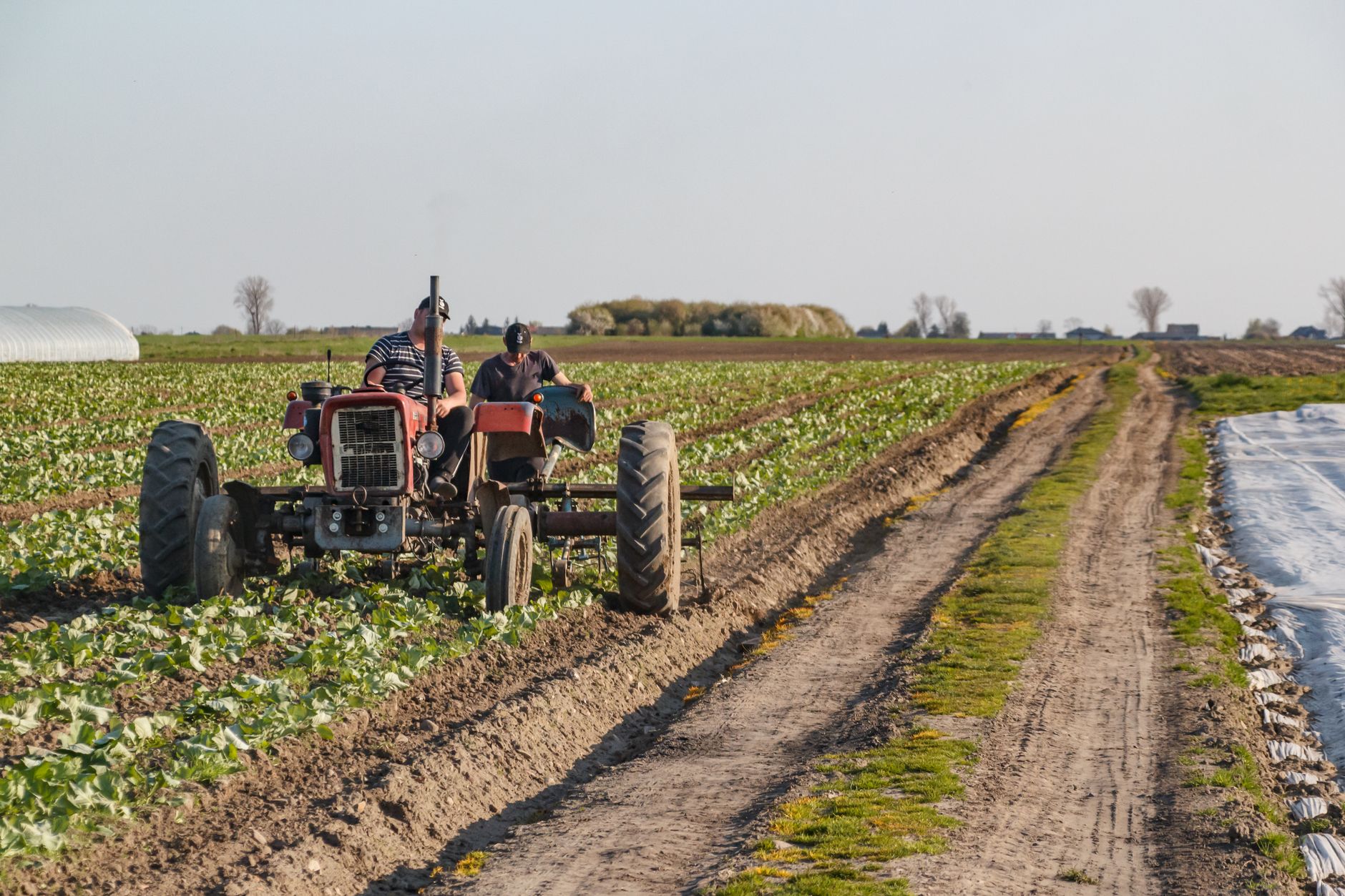
Most farm and general liability policies exclude pollution, and courts have ruled manure is a pollutant. This guide explains how Contractors Pollution Liability, site pollution, cleanup, transportation and emergency response coverage protect crop farms, dairies, manure haulers, ag chemical dealers and applicators, with state-specific issues in California, Texas, New Mexico, Oklahoma, North Dakota and Pennsylvania.
Agriculture Pollution Insurance: Environmental Coverage for Farms, Dairies, Manure Haulers & Ag Chemical Dealers
The lagoon had held for eleven years. It survived drought summers, a couple of wet winters and one inspection where the state walked the berm and signed off. Then the neighbor down the road had his well tested for a refinance. The lab report came back with nitrate at nearly three times the drinking-water limit.
Within a month, the dairy had a demand letter from the neighbor’s attorney, a notice from the state asking for a groundwater investigation workplan, and a consultant’s estimate for monitoring wells that ran well into six figures before anyone had talked about cleanup. The owner did what anyone would do and called his agent. The farm policy had a pollution exclusion. The umbrella followed form. The claim was denied in a two-page letter.
Nothing about that operation was careless. The dairy did what dairies do. That’s the problem. Agriculture handles more regulated material than almost any other industry, and the standard farm policy is written to exclude nearly all of it.
Why Farm Policies Don’t Cover Pollution
Every working farm stores and moves material that a policy form would call a pollutant: manure and process wastewater, commercial fertilizer, anhydrous ammonia, pesticides and herbicides, diesel and gasoline, silage leachate, dead-animal compost and, more and more, land-applied biosolids. Standard ag forms handle that reality with one broad exclusion.
Most farmowners and commercial ag liability policies carry a total or absolute pollution exclusion. It removes bodily injury, property damage and cleanup costs arising from any discharge, dispersal, seepage, migration or release of pollutants. Some forms give back a narrow slice for sudden, accidental events like a hostile fire or a short-lived release discovered within days. That carve-back rarely reaches the claims that actually hurt farms.
The question of whether manure counts has been litigated. In Wilson Mutual Insurance Co. v. Falk (2014), the Wisconsin Supreme Court held that manure contaminating a neighbor’s well was a pollutant under a farm policy’s pollution exclusion, even though manure is a normal, beneficial part of farming. Carriers across the country rely on that reasoning.
Three more realities widen the gap:
- Ag contamination is gradual. Lagoon seepage, over-application and leaking fuel tanks build up over years. A sudden-and-accidental carve-back won’t touch them.
- Regulators order cleanup of your own land. A liability policy pays third parties. When the state orders you to investigate and remediate your own ground, you need first-party cleanup coverage.
- Neighbors are moving closer. Rural subdivisions bring private wells, sensitive noses and plaintiff attorneys. Odor and nuisance suits against livestock operations have produced some of the largest verdicts in agriculture.
Which Ag Operations Need Environmental Coverage
Environmental exposure isn’t limited to big confinement operations. The classes that most often need a stand-alone program:
- Crop farms: row crops, orchards, vineyards and specialty growers with on-farm fuel, fertilizer and chemical storage
- Livestock operations: dairies, feedlots, swine and poultry CAFOs, equine facilities
- Aquaculture and fish farms: effluent discharge, feed and treatment chemicals
- Manure hauling and spreading contractors: lagoon agitation, pumping, drag-line and tanker application
- Ag chemical and fertilizer dealers: bulk storage, blending, loading and delivery
- Ag waste treatment and processing: anaerobic digesters, composters, rendering, biosolids handlers
- Pesticide and herbicide applicators: ground rigs and aerial application
The dividing line that matters for coverage: do you pollute from your own site, or while working on someone else’s? Most ag businesses do both, and the program has to be built for both.
The Agricultural Environmental Coverage Stack
1. Contractors Pollution Liability (CPL)
CPL covers pollution caused by your operations at locations you don’t own: a custom applicator’s overspray, a manure hauler’s spill at a field edge, a lagoon cleanout that goes wrong on a client’s dairy. It’s the core policy for anyone who does ag work for others. Watch whether it’s written on an occurrence or claims-made basis. If it’s claims-made, the retroactive date has to reach back to when you started the work.
2. Site Pollution Liability (PLL)
Site pollution covers pollution conditions at scheduled locations you own or operate, including contamination that migrates off your property onto a neighbor’s land or into groundwater. For dairies, feedlots, poultry and swine operations, chemical dealers and fertilizer terminals, this is the policy that answers the lagoon-and-well scenario in the story above. It can cover unknown pre-existing conditions. Known conditions are handled separately.
3. Onsite and Offsite Cleanup Costs
This is first-party coverage for investigation and remediation when a regulator orders it or contamination is discovered. Onsite covers your own property. Offsite covers contamination that has moved beyond it. Without it, a site policy may defend a neighbor’s suit while you pay for your own monitoring wells out of pocket.
4. Transportation Pollution
Transportation pollution covers releases while hauling manure, fertilizer, chemicals or fuel, including loading and unloading. Commercial auto policies usually exclude pollution from the cargo itself, so this is a real gap for haulers and ag retailers who deliver product.
5. Emergency Response Costs
This covers immediate containment after a release, like vac trucks, booms, berms and earthmoving, often before anyone knows who’s at fault. After a lagoon breach or tank rupture, this is the first money spent. It should be on every ag environmental policy.
6. Non-Owned Disposal Site
This covers your liability when waste you sent to a third-party site causes contamination there. It matters for chemical dealers returning containers, processors shipping waste and anyone sending material to a composter or landfill.
7. Excess / Umbrella: Confirmed Over Pollution
Most farm umbrellas carry their own pollution exclusion, so they don’t sit over your environmental policy. If a lender, landlord or contract requires higher limits, either buy them inside the environmental program or confirm in writing that the excess follows form over pollution.
Endorsements That Make or Break an Ag Policy
- Manure as a covered pollutant. This is the single most important definition on a livestock or hauling policy. Confirm manure, process wastewater and litter are expressly included, not carved out.
- Odor and nuisance coverage. Some specialty ag markets will endorse odor-related claims. It isn’t standard, and it’s valuable anywhere houses are going up near barns.
- Gradual and sudden pollution. The policy should cover long-tail seepage, not just events that start and stop in a week.
- Pesticide and herbicide drift. Confirm drift onto neighboring crops, organic fields, apiaries and homes is covered, with no low sublimit, especially for aerial work.
- Named insureds and additional insureds. Land often sits in a family trust or LLC while the operation runs under another entity. Both need to be on the policy. Landlords and integrators often require additional insured status.
Exclusion Landmines: Where Ag Pollution Claims Get Denied
| Exclusion / Gap | What It Removes | Why It Hurts Ag Operations |
|---|---|---|
| Absolute Pollution Exclusion (farm / CGL) | All bodily injury, property damage and cleanup tied to pollutants | Manure, fertilizer, chemicals and fuel are all pollutants. The exclusion swallows the core exposure. |
| Manure / Animal Waste Exclusion | Claims arising from manure, litter or process wastewater | It can appear even on environmental policies. A livestock operation with this endorsement has little real coverage. |
| Odor / Nuisance Exclusion | Claims based on odor, flies, dust or loss of enjoyment of property | Nuisance suits are one of the most common and costly claims against livestock operations. |
| Known Conditions Exclusion | Contamination known before the policy began | Existing nitrate plumes and open abatement orders are common in dairy country and won’t be covered unless specifically underwritten. |
| PFAS Exclusion | Any claim involving per- and polyfluoroalkyl substances | It’s being added at renewal, and it can void coverage for biosolids receivers and applicators. |
| Retroactive Date Reset | Work performed before a new retro date on a claims-made policy | Switching carriers without carrying the retro date forward leaves years of past application work uninsured. |
| Cargo Pollution Exclusion (auto) | Spills of the load being hauled | A tanker of liquid manure or nitrogen solution overturned in a ditch isn’t covered by the truck’s auto policy. |
PFAS and Biosolids: The Exposure Nobody Priced In
Treated sewage sludge, or biosolids, has been spread on farmland for decades as cheap fertilizer. The problem is what else comes with it. PFAS “forever chemicals” pass through wastewater treatment and can end up in soil, crops, groundwater and livestock.
Texas made the issue impossible to ignore. In early 2025, farmers in Johnson County, south of Fort Worth, sued over PFAS contamination they tied to biosolids spread on neighboring land, alleging damage to their property and livestock, and the county issued a local disaster declaration. Similar disputes have surfaced in Maine, Michigan and elsewhere.
If you touch biosolids, act before renewal
Anyone who receives, hauls, stores or applies biosolids should pull their current pollution wording now. Check whether a PFAS exclusion already exists, whether one is proposed at renewal, and how “pollutant” is defined. Keep records of where every load came from and where it was applied. Finding a PFAS exclusion after a claim is too late to fix it.
State-by-State: CA, TX, NM, OK, ND & PA
California
California has the largest dairy herd in the country and some of its most aggressive water regulators. Central Valley dairies operate under Regional Water Quality Control Board waste discharge requirements that impose groundwater monitoring and nutrient management plans. Nitrate in groundwater is the defining long-tail exposure. Pesticide use is regulated by the Department of Pesticide Regulation and county agricultural commissioners, and drift near schools and homes drives both enforcement and third-party claims.
Texas
TCEQ regulates concentrated animal feeding operations under 30 TAC Chapter 321, and the dairy concentrations in the Panhandle and the Erath County area draw steady scrutiny over runoff into surface water. Texas is also ground zero for biosolids-PFAS litigation, so any operation spreading or receiving sludge should have its wording reviewed now.
New Mexico
New Mexico’s Dairy Rule (20.6.6 NMAC) requires groundwater discharge permits, monitoring wells and corrective action when nitrate exceeds standards. Many dairies in the southeastern part of the state already carry abatement obligations. For them, onsite cleanup coverage and careful known-conditions disclosure are essential.
Oklahoma
The Oklahoma Department of Agriculture, Food and Forestry oversees CAFOs and poultry waste through its Agricultural Environmental Management Services division. Years of litigation over poultry litter in the Illinois River watershed showed how land application of animal waste can grow into watershed-scale liability. Poultry growers, litter haulers and spreaders in eastern Oklahoma are core buyers of CPL and site coverage.
North Dakota
North Dakota’s exposure centers on row-crop chemicals, anhydrous ammonia and fuel storage at farms and ag retail sites, along with heavy aerial application. The Department of Environmental Quality permits animal feeding operations, and growing cattle feeding capacity is adding manure exposure. Ag retailers with bulk fertilizer and chemical storage are the most common site-pollution buyers.
Pennsylvania
Pennsylvania’s dairy, poultry and mushroom operations sit largely in the Chesapeake Bay watershed. Act 38 nutrient management plans, required manure management plans and Bay-driven enforcement make manure the dominant exposure. Farms sit close to neighbors and private wells, so odor and well-contamination claims come up more often than in the western states.
What Underwriters Ask on an Ag Environmental Submission
- Operation description, acreage, and herd or flock size and species
- Lagoon and storage construction: lined or unlined, age, capacity, freeboard and inspection practices
- Nutrient or manure management plan and state permit status
- Chemical and fuel inventory, tank types, secondary containment and SPCC plan if applicable
- Distance to surface water, drinking-water wells and residential neighbors
- Groundwater monitoring data, notices of violation and any abatement orders
- For applicators and haulers: equipment, licensing, annual gallons or tons applied, and where it’s applied
- Biosolids receipt or application history, if any
- Five-year loss history, including environmental incidents that never became claims
Organize these records before you go to market. A clean, complete submission gets better terms than a thin one with the same exposure.
What Drives Agriculture Pollution Insurance Costs
There’s no flat rate. Pricing is built from the submission, and the biggest drivers are:
- Waste volume and storage. Herd size, lagoon capacity and whether storage is lined or earthen.
- Proximity. Distance to wells, streams and homes often matters more than size.
- Chemical profile. Restricted-use pesticides, anhydrous ammonia and bulk fuel all raise the rate.
- Regulatory history. Open violations or abatement orders narrow the market fast.
- Coverage choices. Odor, known conditions, PFAS and higher limits all cost more, and they’re often worth it.
Small, clean operations can often find environmental coverage with minimum premiums in the low thousands. Larger livestock operations with lagoons and nearby neighbors price well above that.
How Surplus Lines Placement Works
Standard farm carriers exclude pollution because they don’t want to price it. The specialty environmental carriers that do are mostly in the excess and surplus lines market. Their forms are built for manure, chemicals and gradual contamination instead of excluding them. Wording differs from carrier to carrier on the definitions that decide claims: what counts as a pollutant, whether odor is covered, how known conditions and PFAS are handled, and whether the policy is occurrence or claims-made.
A specialist broker shops those markets, compares the wording side by side and structures the program so CPL, site, transportation and cleanup coverage fit together without gaps. That work matters most at renewal, when exclusions quietly change and retroactive dates can reset.
Talk to a Broker Who Reads the Pollution Wording
Send us your current farm policy, any pollution endorsements, your permits and five years of loss runs. We’ll show you where the gaps are and take your operation to the specialty environmental markets.
Call (818) 974-8117 Email steve@cvins.comFrequently Asked Questions
Does my farmowners policy cover a manure spill?
Usually not. Most farm policies contain a pollution exclusion, and courts have held that manure is a pollutant under those exclusions. Some forms give back limited coverage for sudden, accidental events. Gradual contamination and regulator-ordered cleanup are typically excluded.
What’s the difference between CPL and site pollution coverage?
Contractors Pollution Liability covers pollution caused by your work at other people’s locations, like spreading manure or spraying a client’s field. Site Pollution Liability covers pollution conditions at locations you own or operate, including contamination that migrates off your property.
Is pesticide drift covered by general liability?
Sometimes, but often with exclusions or low sublimits, especially for aerial application. An applicator program with explicit drift coverage and CPL is the safer approach.
Can I get coverage for odor complaints from neighbors?
Yes, from some specialty ag environmental markets, by endorsement. It isn’t standard, so ask for it by name and confirm it on the policy.
Will a policy cover contamination that’s already on my property?
Site pollution policies can cover unknown pre-existing conditions. Known conditions, like a nitrate plume already under an abatement order, are typically excluded or need special underwriting. Full disclosure on the application protects the coverage.
Do manure haulers need different coverage than the farms they work for?
Yes. A hauler needs its own CPL for work at client sites and transportation pollution for spills on the road. The farm’s policy won’t protect the hauler, and many farms and integrators now require haulers to carry their own pollution coverage.
Does my commercial auto policy cover a spill from my tanker?
Generally not for the cargo itself. Auto policies commonly exclude pollution from the load being carried. Transportation pollution coverage fills that gap.
We apply biosolids. Are we still insurable?
Often, yes, but the PFAS question is changing the market. Expect detailed questions on sources and application records, and read renewal wording closely for new PFAS exclusions.
How much does agriculture pollution insurance cost?
It depends on operation type, waste volume, storage construction, chemical inventory, proximity to wells and neighbors, and regulatory history. Small, clean risks can start in the low thousands. Pricing has to be built from your actual submission.
Which states can you help with?
We work with agricultural operations in California, Texas, New Mexico, Oklahoma, North Dakota and Pennsylvania, and can review accounts in other states where we’re licensed.
Protecting Your Farm or Ag Business
Crescenta Valley Insurance places hard-to-place environmental risk that most agents won’t touch. If you run livestock, haul or spread manure, sell or apply ag chemicals, or handle ag waste, let’s find out what your current policy actually covers before a well test, a spill or a neighbor’s lawsuit does it for you.
Call (818) 974-8117 | Email steve@cvins.com
The opening scenario is an illustrative composite, not a specific claim. This article is for general informational purposes only and does not constitute insurance, legal or regulatory advice. Coverage terms, exclusions and regulatory requirements vary by carrier, jurisdiction and over time. Confirm current requirements with your state agriculture and environmental agencies, and verify policy terms against your own policy. Surplus lines insurance is placed with non-admitted insurers that are not covered by state guaranty funds. CA Ins. License 0G58010 | NPN 13684036 | Licensed in California and additional states.

- Pennsylvania Welding Contractor Insurance for Foundry, Mill & Structural Work.
- How to get Agriculture Environmental Insurance?
- Asbestos Abatement Contractor Insurance: California C-22 Guide
- Battery Storage (BESS) Insurance
- Biofuel Insurance: Ethanol, Biodiesel, Renewable Diesel & RNG


Leave a Reply