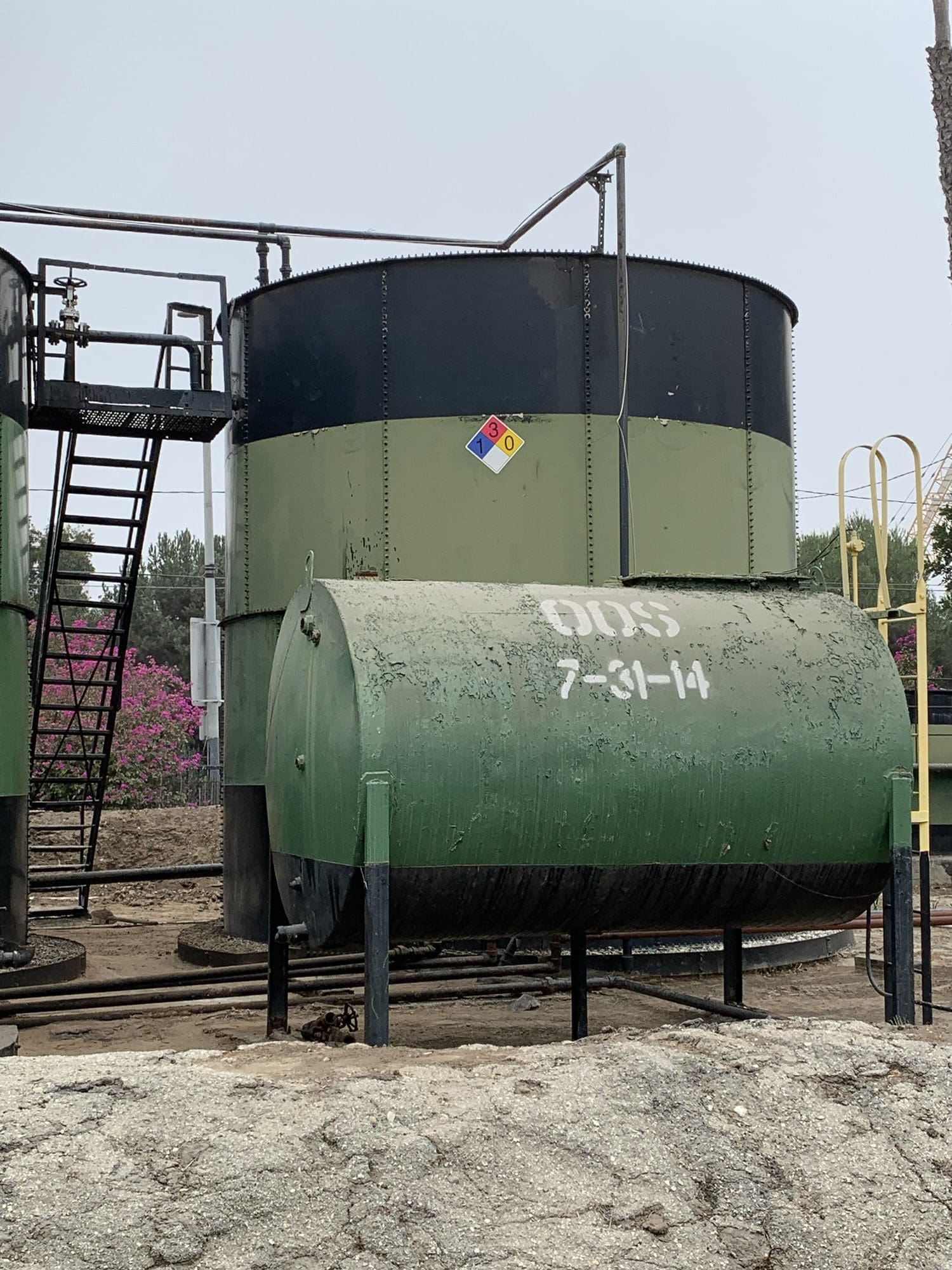
Storage tank insurance in Texas, Oklahoma, and New Mexico is federally mandated under EPA regulations.
Whether you operate underground storage tanks (USTs), aboveground storage tanks (ASTs), or specialty tanks, proper pollution liability coverage, corrective action insurance, and surety bonds are essential. CVI helps operators across TX, OK, and NM secure compliant, hard-to-place coverage. Call 818-974-8117.
Storage Tank Insurance in Texas, Oklahoma & New Mexico:
|
||||||||||||||||||||||||||||||||||||||||
| Home › Blog › Storage Tank Coverage › TX, OK & NM: Complete 2026 Guide | ⏰ 18 min read | ||||||||||||||||||||||||||||||||||||||||
|
||||||||||||||||||||||||||||||||||||||||
|
||||||||||||||||||||||||||||||||||||||||
|
||||||||||||||||||||||||||||||||||||||||
|
Texas, Oklahoma, and New Mexico sit at the heart of America’s energy economy. Millions of barrels of petroleum products, chemicals, agricultural liquids, and industrial solvents are stored every day across the tens of thousands of storage tanks that dot these three states. Yet despite this ubiquity, storage tank insurance remains one of the most widely misunderstood and dangerously under-purchased coverages in commercial insurance. This guide is written for tank owners, operators, fleet managers, petroleum distributors, agricultural businesses, chemical processors, and environmental consultants who need to understand not just what coverage is available — but why each layer matters, how state law shapes your obligations, and where the fatal gaps in standard policies are hiding. |
||||||||||||||||||||||||||||||||||||||||
🏭 Tank Construction Types and Their Insurance Implications |
||||||||||||||||||||||||||||||||||||||||
|
Not all storage tanks are created equal — and from an insurance underwriter’s perspective, how a tank is built is one of the first questions asked. Construction type directly affects leak probability, regulatory status, cleanup cost exposure, and ultimately whether a carrier will write the risk at all. Single-Wall Steel Underground Storage Tanks (USTs)The original generation of buried fuel tanks, single-wall steel USTs are made of uncoated carbon steel. The overwhelming majority of confirmed UST releases in Texas, Oklahoma, and New Mexico come from these tanks — most installed before 1988. Corrosion, either internal from water accumulation or external from soil acidity and stray electrical currents, is the primary failure mechanism. Underwriters treat these tanks with maximum scrutiny. Many surplus lines carriers will not write them at all if they are unupgraded. If you have one of these in the ground, your first call should be to a specialty broker, not a standard agent. Insurance implication: High-risk classification. Expect higher premiums, sub-limits on corrective action coverage, and potentially restrictive policy conditions requiring documented inspections. Many standard pollution policies will exclude pre-existing contamination, making tank age documentation critical. Double-Wall (or Jacketed) Steel USTsDouble-wall tanks feature an inner tank and an outer containment shell with an interstitial monitoring space between them. Sensors in this space detect any product escaping the inner wall before it reaches the soil — this is the key technological advancement that changed UST risk management. The EPA’s 1988 regulations effectively mandated this technology for new installations, and the 1998 upgrade deadline required older tanks to be brought to this standard or removed. Insurance implication: Significantly more favorable underwriting. Carriers are far more willing to offer broad pollution liability with higher corrective action limits at competitive premiums when double-wall construction with working interstitial monitoring is documented. Keep your monitoring sensor logs — they are your proof of compliance and your best friend in a claim dispute. Fiberglass Reinforced Plastic (FRP) USTsFRP tanks became popular in the 1970s and 1980s as a corrosion-resistant alternative to steel. They don’t rust, which eliminates a major risk category. However, they are susceptible to structural failures under certain soil loading conditions, and older FRP tanks can develop fiberglass delamination. Incompatibility with ethanol-blended fuels (E10, E15) can also cause degradation of older FRP systems. Insurance implication: Generally favorable, but age and fuel type compatibility are key underwriting questions. If you’re storing ethanol blends in a pre-2000 FRP tank, disclose this to your broker immediately. Carriers may apply exclusions or require compatibility documentation. Aboveground Storage Tanks (ASTs) — Fixed VerticalLarge fixed vertical ASTs — the iconic cylindrical steel tanks seen at petroleum terminals, refineries, farms, and chemical plants — present a different risk profile than buried tanks. They are visible and inspectable, making slow leak detection far easier. However, their size means that a catastrophic release can be enormous. ASTs holding 10,000+ gallons require secondary containment (berms, dikes) under both state and federal regulations. The risk of fire, mechanical damage, and overfill is higher than with buried tanks. Insurance implication: Coverage includes property insurance for the tank structure itself (often scheduled on a commercial property or inland marine policy), pollution liability for releases, and potentially business interruption if the tank is critical to operations. Secondary containment compliance is a hard underwriting requirement — non-compliance may void coverage. Portable / Skid-Mounted TanksCommon in oilfield operations, construction sites, and agricultural settings, portable tanks are typically smaller (300–10,000 gallons) and move between locations. Their mobility introduces unique insurance challenges: standard property and pollution policies may not follow the tank to all job sites without a mobile equipment endorsement or a separate contractors’ pollution liability (CPL) policy. Insurance implication: A commercial auto or inland marine policy covers physical damage in transit; a CPL or environmental liability policy is needed for release incidents at job sites. Operators who assume their GL covers a diesel spill from a portable tank on a customer’s property are in for a very unpleasant surprise when a claim is denied. Lined / Coated Concrete and Composite TanksUsed in water treatment, chemical storage, and some agricultural applications, these tanks are typically lower risk for petroleum releases but carry chemical compatibility concerns. A failed lining in a chemical storage tank can cause rapid catastrophic release. Underwriters evaluate the lining type, its rated chemical compatibility, and maintenance history. Insurance implication: Specialty chemical pollution liability is required. Standard petroleum tank policies will not respond to releases of industrial chemicals, agricultural chemicals, or wastewater. Be explicit with your broker about tank contents when seeking coverage. |
||||||||||||||||||||||||||||||||||||||||
⚙️ What’s Inside the Tank: Contents and Coverage Implications |
||||||||||||||||||||||||||||||||||||||||
|
The contents of a storage tank are perhaps the single most important factor in determining what kind of pollution liability policy is needed, how much corrective action coverage is required, and whether state financial assurance programs apply. Here’s how the most common stored substances map to insurance coverage:
A critical point that surprises many operators: the EPA’s petroleum UST regulations apply specifically to petroleum and petroleum-blended substances. If your tank holds something other than petroleum, you may fall outside the state fund protection umbrella — which makes private pollution liability even more essential, not less. |
||||||||||||||||||||||||||||||||||||||||
|
||||||||||||||||||||||||||||||||||||||||
💧 Slow Leaks vs. Accidental/Catastrophic Release: The Coverage Gap That Ruins Businesses |
||||||||||||||||||||||||||||||||||||||||
|
This is the single most misunderstood aspect of storage tank insurance — and the most financially devastating gap. The distinction between a gradual (slow) leak and a sudden/accidental release affects which insurance policies respond, when coverage is triggered, and how much you can collect. Let’s break it down clearly. Gradual / Slow Leaks: The Silent KillerA gradual release is a slow, ongoing seepage of product from a tank — caused by corrosion pinholes, failed fittings, degraded pipe connections, or aging FRP delamination. These leaks often go undetected for months or years. By the time they’re discovered, the contamination plume may have spread hundreds of feet, affecting neighboring properties and potentially reaching drinking water aquifers. Standard commercial general liability (CGL) policies exclude pollution — and the courts in all three states have consistently upheld those exclusions for gradual petroleum releases. A slow leak is not a “sudden and accidental” event, so even policies that carve back the pollution exclusion for sudden/accidental events will deny the claim. The solution is a claims-made pollution liability policy specifically designed for storage tanks. Under a claims-made policy, coverage is triggered when the claim is first reported to the insurer during the policy period, regardless of when the release actually occurred (within the retroactive date). This structure is purpose-built to handle long-tail gradual contamination events. Key nuance: Your retroactive date matters enormously. If you purchase a claims-made policy today with a retroactive date of today, any contamination that began before today is excluded as “pre-existing.” If you’ve had tanks in the ground for 10 years without pollution coverage, you need a thorough baseline environmental assessment before purchasing insurance — not just to get coverage, but to understand what you’re actually sitting on. Sudden and Accidental (Catastrophic) ReleasesA sudden release is a discrete, identifiable event — a tank overfill, a pipe rupture, a vehicle collision with an AST, a pump failure that dumps product. These events are immediate, observable, and have a clear start date. They generate immediate third-party bodily injury risk (fumes, fire), property damage, and environmental cleanup obligations. Occurrence-based policies are better suited for sudden/accidental releases because coverage is triggered by the occurrence date of the event, not the date of the claim. For a sudden spill, you know exactly when it happened — making occurrence-based triggers practical. However, most specialized tank pollution policies today are written on a claims-made basis with a “sudden and accidental” carve-back in the GL policy — creating a potential two-policy structure many operators navigate with help from a specialty broker. Corrective Action Coverage: The Most Expensive Line ItemWhether the release is gradual or sudden, the corrective action cost — soil excavation, groundwater monitoring, treatment system installation, regulatory agency oversight — is almost always the largest single cost. EPA and state agencies can require corrective action that continues for decades and runs into millions of dollars for larger or more complex contamination events. Any tank pollution policy worth buying must include meaningful corrective action limits — not just $100,000 in cleanup coverage, but ideally $500,000 to $1 million or more depending on tank capacity and contents. For reference, the EPA’s minimum financial responsibility requirement for petroleum USTs is $1 million per occurrence and $1 million annual aggregate for most operators. Third-Party Coverage: Bodily Injury and Property DamageBeyond cleanup costs, tank releases create third-party liability when contamination migrates off-site. Neighboring property owners can sue for property devaluation, loss of use, and remediation costs. If contamination reaches a drinking water well, plaintiffs’ attorneys show up very quickly. A comprehensive tank pollution policy must include third-party bodily injury and property damage coverage — not just first-party cleanup costs. Transportation Pollution LiabilityIf product is transported to or from your tanks by tanker truck, you should also consider whether your pollution coverage extends to loading and unloading operations and in-transit spills. Many site-specific tank policies stop at the property line. A separate transportation pollution liability endorsement or policy may be needed. |
||||||||||||||||||||||||||||||||||||||||
⚖️ General Liability vs. Professional Liability: What’s the Difference for Storage Tank Operations? |
||||||||||||||||||||||||||||||||||||||||
|
This distinction trips up operators and even some insurance agents who don’t specialize in environmental risks. Understanding the difference isn’t academic — getting it wrong means having the wrong policy when a claim hits. Commercial General Liability (CGL)A CGL policy covers third-party claims for bodily injury and property damage arising from your business operations, premises, and products. For a storage tank operator, this might cover:
What CGL does not cover for most tank operators: pollution events. The standard ISO CGL form contains a broad pollution exclusion. Even “sudden and accidental” carve-backs in older policies are narrowly interpreted by courts. Never rely on a CGL policy alone for pollution-related tank incidents. Professional Liability / Errors & Omissions (E&O)Professional liability (also called E&O or professional indemnity) covers claims that your professional advice, recommendations, or services caused a third party financial harm. For the storage tank world, this is relevant primarily to:
Professional liability policies are almost exclusively claims-made, and they cover economic/financial loss — not bodily injury or property damage, which is the CGL’s domain. The two coverages are complementary. A tank inspection firm needs both a CGL and an E&O policy, plus potentially a pollution liability policy for any first-party environmental exposure from their operations. The Environmental Impairment Liability (EIL) Policy: Where It All Comes TogetherFor operators with significant tank exposure, a standalone Environmental Impairment Liability (EIL) policy is the gold standard. EIL policies are designed from the ground up for environmental risk — they cover gradual and sudden releases, corrective action, third-party bodily injury and property damage, and can be endorsed to include professional services coverage. They eliminate the dangerous coverage gap between CGL pollution exclusions and the limitations of basic tank endorsements. EIL policies are a specialty market product, typically written by Lloyd’s syndicates, AIG Environmental, Zurich Environmental, or specialty MGAs. Finding and placing them requires a broker with actual environmental market access — which is exactly why operators in TX, OK, and NM call FCIS Group. 📑 Related resource: Read our white paper on Storage Tank Insurance and Bonding for a deeper technical treatment of EIL policy structures and how to evaluate coverage adequacy. |
||||||||||||||||||||||||||||||||||||||||
|
||||||||||||||||||||||||||||||||||||||||
🏠 State-by-State: Insurance & Bonding Requirements for TX, OK & NM |
||||||||||||||||||||||||||||||||||||||||
|
||||||||||||||||||||||||||||||||||||||||
|
||||||||||||||||||||||||||||||||||||||||
🔧 Preventative Maintenance Requirements and Why Insurers Care |
||||||||||||||||||||||||||||||||||||||||
|
Maintenance and inspection requirements are not just regulatory checkboxes — they are the documented proof that either supports or destroys your insurance claim when a release is discovered. Insurance adjusters and environmental consultants will request your maintenance records within hours of a reported release. If those records don’t exist or are incomplete, expect coverage disputes that delay claim payments by months or years. Federal EPA Required Inspection & Maintenance Elements (All Three States)Under 40 CFR Part 280, all petroleum UST systems must maintain:
The 2024 EPA Regulation Update: What ChangedThe EPA’s 2024 UST regulations (effective October 2024) significantly increased inspection and operator training requirements. Key additions include:
Operators who have not reviewed their compliance status against the 2024 final rule should do so immediately. Non-compliance affects both regulatory standing and insurance eligibility. |
||||||||||||||||||||||||||||||||||||||||
📄 Record-Keeping Requirements: Your Paper Trail Is Your Lifeline |
||||||||||||||||||||||||||||||||||||||||
|
When a release is discovered — whether during a routine inspection, a real estate transaction, or a neighbor’s complaint — the question immediately becomes: what did you know, when did you know it, and what did you do about it? Your maintenance and monitoring records answer those questions. Incomplete records are taken as evidence of negligence by regulators, plaintiffs’ attorneys, and insurance carriers alike. Required Record-Keeping Periods (Federal and State)
Best practice: Keep records in both paper and digital formats, stored separately (offsite backup). Many operators use cloud-based compliance management platforms. Your insurance broker or carrier may offer compliance tracking tools as part of your policy services — ask about this when placing coverage. 📑 Related reading: FCIS Group’s full guide to getting insurance and bonds for storage tanks covers documentation requirements for the underwriting process as well. |
||||||||||||||||||||||||||||||||||||||||
|
||||||||||||||||||||||||||||||||||||||||
🔗 Key Regulatory & Resource Links |
||||||||||||||||||||||||||||||||||||||||
|
Staying compliant requires constant monitoring of regulatory agency updates. Here are the primary resources every TX, OK, and NM storage tank operator should bookmark:
Internal Resources from FCIS Group:
|
||||||||||||||||||||||||||||||||||||||||
🏁 Conclusion: The Stakes Are Too High to Leave to a Standard Policy |
||||||||||||||||||||||||||||||||||||||||
|
Storage tanks are woven into the fabric of commerce across Texas, Oklahoma, and New Mexico. Fueling fleets, storing chemicals, holding agricultural liquids, preserving produced water — these tanks are the infrastructure that keeps operations running. But they carry a unique and sobering liability: a single uninsured release event can cost more than the business is worth. The standard insurance policies that most businesses carry — general liability, commercial property, workers’ compensation — were not designed for pollution events and will not respond to most tank releases. The state funds in TX, OK, and NM provide a valuable backstop, but they require strict compliance, and they don’t cover third-party damages, business interruption, or the full cost of complex remediation projects. The solution is a purpose-built storage tank insurance program: pollution liability with adequate corrective action limits, third-party coverage, proper financial assurance mechanisms, and a broker who knows the specialty market and the regulatory landscape cold. That’s exactly what FCIS Group provides. We don’t send you to a call center or a one-size-fits-all online quote form. We look at your tanks, your contents, your compliance history, and your state, and we build you a program that actually works when you need it. Don’t be Ranchero Transport. The $3,200 annual premium they skipped cost them thirty years of their life’s work. |
||||||||||||||||||||||||||||||||||||||||
|
||||||||||||||||||||||||||||||||||||||||
|
||||||||||||||||||||||||||||||||||||||||
|
||||||||||||||||||||||||||||||||||||||||
❓ Frequently Asked Questions: Storage Tank Insurance in TX, OK & NM |
||||||||||||||||||||||||||||||||||||||||
|
||||||||||||||||||||||||||||||||||||||||
|
© 2026 FCIS Group — Crescenta Valley Insurance | Foundation Commercial Insurance Services This article is provided for general informational purposes only and does not constitute legal, regulatory, or insurance advice. Consult with a licensed insurance professional and qualified l |
- Directional Drilling Contractor Insurance: HDD & Fiber Guide
- Pennsylvania Welding Contractor Insurance for Foundry, Mill & Structural Work.
- How to get Agriculture Environmental Insurance?
- Asbestos Abatement Contractor Insurance: California C-22 Guide
- Battery Storage (BESS) Insurance


Leave a Reply