

Nevada Mining and Bonding Insurance
Nevada Mining Insurance and Bonding Requirements: A Comprehensive Guide for Mining Operations
Nevada stands as America’s mining powerhouse, leading the nation in mineral extraction and contributing billions to the economy annually. For mining operators in the Silver State, understanding insurance and bonding requirements is critical for compliance, risk management, and operational success. This comprehensive guide explores Nevada’s mining landscape, essential insurance coverage, and mandatory surety bonds for mining operations.
Nevada: The Silver State’s Mining Heritage and Current Landscape
Nevada’s mining industry represents one of the most significant economic engines in the United States, with a rich history spanning over 160 years. Known as the “Silver State,” Nevada has evolved into a global mining leader, producing far more than just the precious metal that gave it its nickname.
Nevada Mining by the Numbers
The scope of Nevada’s mining operations is truly impressive. According to the Bureau of Land Management, Nevada leads the nation with the largest mining program, boasting more than 180,000 active mining claims representing 49% of all BLM mining claims nationwide. The state operates 198 authorized mining plans of operations and maintains 282 active exploration notices, demonstrating the robust and ongoing nature of the industry.
In 2020, Nevada’s mining industry contributed an astounding $9.5 billion to the state’s economy, with $8.4 billion coming specifically from gold and silver mining operations. The industry directly employs over 15,000 people with an average annual salary of $104,205, making it one of the highest-paying sectors in Nevada. When including indirect employment through suppliers and service providers, mining supports approximately 75,000 additional jobs across the state, touching all 17 counties.
Types of Mining Operations in Nevada
Nevada’s diverse geology supports multiple types of mining operations, each presenting unique risks and insurance requirements:
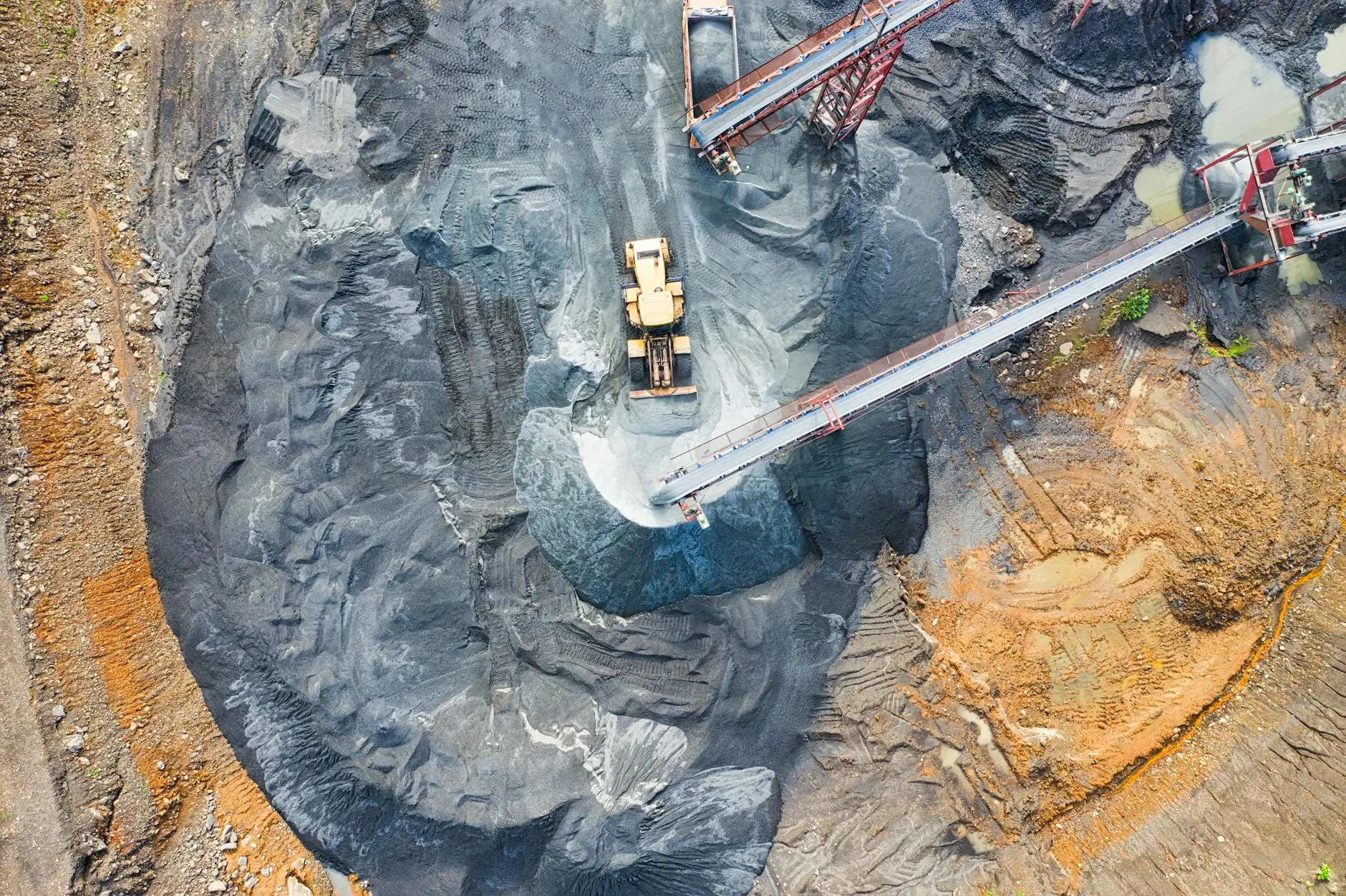
Open-Pit Mining: The majority of Nevada’s mining operations utilize large-scale open-pit methods, particularly for gold extraction. These operations involve removing overburden to access ore bodies and require extensive earth-moving equipment and infrastructure.
Underground Mining: Several operations in Nevada extract minerals through underground methods, including both hard rock and soft rock mining. Underground operations present additional safety challenges and require specialized insurance considerations.
Heap Leach Operations: Many Nevada gold mines employ heap leach processing, where ore is stacked and treated with chemical solutions to extract precious metals. These operations require environmental liability coverage due to the chemical processes involved.
Processing and Milling: Nevada hosts numerous ore processing facilities and mills that handle material from multiple mining operations, requiring comprehensive property and equipment coverage.
Minerals and Metals Mined in Nevada
Nevada produces more than 20 different minerals and metals, making it one of the most diversified mining states in America:
Gold: Nevada is the leading gold-producing state in the U.S., accounting for approximately 78% of domestic gold production and 5% of global production. In 2018, Nevada produced 5.58 million troy ounces of gold worth billions of dollars. Major gold-producing regions include the Carlin Trend, Battle Mountain-Eureka Trend, and Walker Lane.
Silver: Despite being known as the Silver State, Nevada ranks second nationally in silver production after Alaska. In 2014, Nevada produced 10.93 million troy ounces of silver, with 6.74 million ounces produced as a byproduct of gold mining.
Copper: Nevada produces significant quantities of copper, often as a byproduct of gold mining. The Robinson Mine near Ely has produced over 4 billion pounds of copper along with substantial gold production.
Lithium: Nevada is home to the only operating lithium mine in North America, located in Esmeralda County. With the growing demand for electric vehicle batteries, lithium mining represents a rapidly expanding sector.
Other Minerals: Nevada also produces barite, tungsten, mercury, gypsum, sand and gravel, crushed stone, magnesium, molybdenum, diatomaceous earth, and turquoise, among others.
Geographic Distribution of Mining Operations
Mining operations are distributed across Nevada’s 17 counties, with concentrations in specific geological regions. The northern counties, particularly around Elko and Eureka, host many of the state’s largest gold mines. Southern Nevada, including Clark County, has historically produced lead, zinc, and industrial minerals. The state’s diverse geology, from the Basin and Range province to various mountain ranges, provides numerous opportunities for mineral extraction.
Essential Insurance Lines for Nevada Mining Operations
Mining operations face numerous risks that require comprehensive insurance coverage. Nevada mining companies must secure multiple types of insurance to protect against operational, environmental, and liability risks while meeting regulatory requirements.
Workers’ Compensation Insurance
Workers’ compensation is mandatory for all Nevada mining operations with employees. The mining industry presents unique occupational hazards, making comprehensive workers’ compensation coverage critical.
Coverage Requirements: Nevada requires all employers to carry workers’ compensation insurance if they have one or more employees. Mining operations must ensure coverage extends to all workers, including subcontractors and temporary employees working on-site.
Specialized Mining Risks: Mining workers face risks including equipment-related injuries, falls, exposure to hazardous materials, respiratory issues from dust exposure, and potential mine accidents. Coverage must address both immediate injuries and long-term occupational diseases.
Black Lung Coverage: Coal mining operations require special attention to pneumoconiosis (black lung disease) coverage. The Federal Coal Mine Health and Safety Act requires coal mine operators to maintain workers’ compensation insurance that covers occupational lung diseases.
Premium Considerations: Workers’ compensation premiums for mining operations are typically higher than other industries due to increased risk factors. However, operations with strong safety programs and low claim histories may qualify for experience modification factors that reduce premiums.
General Liability Insurance
General liability protection is essential for mining operations to protect against third-party bodily injury and property damage claims.
Coverage Scope: Policies should provide comprehensive protection against claims arising from mining operations, including blasting operations, equipment operation, and interactions with the public. Coverage typically includes bodily injury, property damage, personal injury, and advertising injury protection.
Blasting Coverage: Many mining operations require blasting for ore extraction. Standard general liability policies often exclude blasting operations, requiring specific endorsements or separate coverage for explosive activities.
Products and Completed Operations: Mining companies that sell processed materials need coverage for potential claims arising from their products after delivery or completion of operations.
Policy Limits: Mining operations typically require substantial liability limits, often ranging from $1 million to $10 million per occurrence, with higher aggregate limits for larger operations.
Environmental Liability Insurance
Environmental liability coverage is crucial for mining operations due to the potential for pollution and environmental damage.
Pollution Coverage: This insurance protects against claims arising from pollution events, including sudden and accidental releases as well as gradual pollution. Coverage includes cleanup costs, third-party bodily injury and property damage, and legal defense expenses.
Mine Closure Coverage: Environmental policies may include coverage for environmental remediation required during mine closure and reclamation activities.
Regulatory Requirements: Nevada’s environmental regulations require mining operations to demonstrate financial responsibility for environmental cleanup. Environmental liability insurance can satisfy these requirements.
Groundwater and Surface Water Protection: Policies should address potential contamination of water resources, a significant concern for many mining operations, particularly those using chemical processing methods.
Commercial Property Insurance
Mining operations require substantial property insurance to protect their significant investments in equipment, facilities, and infrastructure.
Equipment Coverage: Mining equipment represents millions of dollars in investment. Property coverage should include mobile equipment, processing facilities, and specialized mining machinery. Coverage should address replacement cost rather than depreciated value.
Business Interruption: This coverage compensates for lost income when operations are interrupted by covered perils. For mining operations, business interruption insurance is critical given the high fixed costs and the potential for significant production losses.
Underground Equipment: Specialized coverage may be required for equipment operating in underground mines, which face unique risks including flooding, cave-ins, and equipment recovery challenges.
Stockpile Coverage: Mining operations often maintain large stockpiles of ore or processed materials that require specific insurance coverage for theft, contamination, or weather-related losses.
Commercial Auto Insurance
Mining operations utilize various vehicles and mobile equipment requiring comprehensive auto insurance coverage.
Fleet Coverage: Policies should cover all company vehicles, including light trucks, heavy equipment transport, and specialized mining vehicles. Coverage includes liability, physical damage, and uninsured motorist protection.
Off-Road Equipment: Many mining vehicles operate off public roads, requiring policies that provide coverage for equipment operation on mining property and access roads.
Employee Use Coverage: Policies should address employee use of personal vehicles for business purposes and provide coverage for employees operating company vehicles.
Umbrella/Excess Liability Insurance
Given the significant liability exposures in mining operations, umbrella coverage provides additional protection beyond underlying policy limits.
Coverage Amounts: Umbrella policies for mining operations typically provide $10 million to $100 million or more in additional liability coverage. The amount should be determined based on the operation’s size, activities, and risk exposure.
Broad Coverage: Umbrella policies provide coverage over multiple underlying policies and may cover some exposures excluded from primary policies.
Cyber Liability Insurance
Modern mining operations rely heavily on technology, making cyber liability coverage increasingly important.
Data Protection: Coverage protects against costs associated with data breaches, including notification expenses, credit monitoring, and regulatory fines.
Business Interruption: Cyber policies may include coverage for business interruption losses resulting from cyber attacks that disrupt mining operations.
Technology Dependence: With increased use of automated equipment and digital systems, mining operations face growing cyber risks that require specialized coverage.
Mandatory Surety Bonds for Nevada Mining Operations
Nevada requires multiple types of surety bonds for mining operations to ensure compliance with regulations, environmental protection, and financial responsibility.
Federal Reclamation Bonds
The Bureau of Land Management requires reclamation bonds for all mining operations on federal lands in Nevada, which represents the majority of mining activities in the state.
Bond Requirements: Under 43 CFR 3809, operators must file either a notice of operations or a plan of operations with the BLM, accompanied by a reclamation bond. The bond guarantees that disturbed lands will be reclaimed according to approved plans.
Bond Types: Operators may submit either personal bonds or surety bonds. Personal bonds require financial assurance such as certificates of deposit, while surety bonds involve a third-party guarantee from an approved surety company.
Bond Amounts: The BLM determines bond amounts based on reclamation cost estimates prepared by the operator. Nevada BLM currently holds and administers more than $2 billion in surface management reclamation bonds, demonstrating the significant scale of financial assurance required.
Surety Company Requirements: Surety companies must be certified by the U.S. Department of the Treasury (Treasury Circular 570) and authorized to transact business in Nevada. Surety bonds must be accompanied by the surety’s power of attorney.
Bond Processing: The BLM Nevada State Office reviews and processes all bonds to ensure compliance with bonding requirements. The office is located at 1340 Financial Blvd., Reno, NV 89502-7147.
State of Nevada Mining Bonds
In addition to federal requirements, Nevada state regulations may require additional bonding for certain mining activities.
Water Rights Bonds: Operations that utilize significant water resources may require bonds to ensure compliance with water use permits and protection of water resources.
Air Quality Bonds: Large mining operations may require bonds related to air quality permits and dust control measures.
Waste Management Bonds: Operations that generate significant waste materials may require bonds to ensure proper waste management and disposal.
County and Local Bonding Requirements
Individual counties in Nevada may impose additional bonding requirements for mining operations within their jurisdictions.
Road Use Bonds: Counties may require bonds to ensure repair and maintenance of public roads used by mining operations for equipment and material transport.
Development Bonds: Some counties require bonds for mining-related infrastructure development to ensure completion of required improvements.
Performance and Payment Bonds
Mining operations often require performance and payment bonds for construction and infrastructure projects.
Construction Projects: Major construction projects at mining sites typically require performance bonds guaranteeing completion and payment bonds protecting subcontractors and suppliers.
Infrastructure Development: Road construction, utility installation, and facility development may require separate bonding.
Financial Assurance for Mine Closure
Nevada requires financial assurance for eventual mine closure and long-term environmental monitoring.
Closure Cost Estimates: Operators must provide detailed cost estimates for mine closure activities, including equipment removal, site reclamation, and long-term monitoring.
Bond Adjustments: Closure bonds may require periodic adjustments based on updated cost estimates and changing regulations.
Long-term Liability: Some bonds must remain in effect for extended periods to ensure long-term environmental monitoring and maintenance.
Bond Procurement and Management
Surety Company Selection
Mining operators should work with surety companies that specialize in mining bonds and understand the unique requirements of the industry.
Financial Strength: Surety companies should maintain strong financial ratings from A.M. Best or other rating agencies. Nevada requires surety companies to maintain long-term obligations rated “A” or better.
Industry Experience: Companies with experience in mining bonds better understand the risks and requirements specific to mining operations.
Geographic Coverage: Surety companies should be licensed to operate in Nevada and have experience with federal bonding requirements.
Bond Application Process
The bond application process requires careful preparation and documentation.
Financial Information: Surety companies require detailed financial information about the mining operation, including financial statements, credit history, and cash flow projections.
Technical Information: Applications must include detailed information about mining plans, reclamation procedures, and environmental compliance measures.
Site Inspections: Surety companies often require site inspections to assess risks and verify information provided in applications.
Bond Costs and Pricing
Bond premiums for mining operations vary based on several factors.
Premium Rates: Surety bond premiums typically range from 1% to 10% of the bond amount annually, depending on the operator’s financial strength and the perceived risk of the operation.
Credit Factors: Operators with strong credit ratings and financial performance may qualify for lower premium rates.
Collateral Requirements: Some operators may be required to provide collateral or additional financial assurance to secure bonding.
Risk Management and Loss Prevention
Safety Programs
Comprehensive safety programs are essential for managing insurance costs and ensuring compliance with regulations.
MSHA Compliance: Mining operations must comply with Mine Safety and Health Administration regulations, which include detailed safety requirements and regular inspections.
Safety Training: Regular safety training for all personnel helps reduce accidents and workers’ compensation claims.
Equipment Maintenance: Proper equipment maintenance prevents accidents and reduces property insurance claims.
Environmental Management
Proactive environmental management helps prevent pollution incidents and reduces environmental liability risks.
Environmental Monitoring: Regular monitoring of air, water, and soil conditions helps identify potential issues before they become major problems.
Spill Prevention: Comprehensive spill prevention and response procedures help minimize environmental incidents.
Regulatory Compliance: Staying current with environmental regulations helps prevent violations and associated penalties.
Claims Management
Effective claims management helps control insurance costs and ensures proper resolution of incidents.
Prompt Reporting: Quick reporting of incidents to insurance carriers helps ensure proper investigation and resolution.
Investigation Procedures: Thorough investigation of incidents helps identify causes and prevent future occurrences.
Return-to-Work Programs: Programs that help injured workers return to appropriate duties can reduce workers’ compensation costs.
Regulatory Compliance and Updates
Federal Regulations
Mining operations must comply with numerous federal regulations that affect insurance and bonding requirements.
MSHA Requirements: The Mine Safety and Health Administration sets safety standards that affect workers’ compensation and liability coverage requirements.
EPA Regulations: Environmental Protection Agency regulations affect environmental liability coverage needs and bonding requirements.
BLM Requirements: Bureau of Land Management regulations establish bonding requirements for operations on federal lands.
State and Local Requirements
Nevada state and local regulations add additional compliance requirements for mining operations.
Nevada Division of Environmental Protection: State environmental regulations may require additional environmental coverage and bonding.
County Regulations: Individual counties may impose additional insurance and bonding requirements for mining operations.
Emerging Regulatory Trends
Mining operations should stay informed about emerging regulatory trends that may affect insurance and bonding requirements.
Climate Change Regulations: Increasing focus on climate change may lead to new environmental requirements and associated insurance needs.
Technology Regulations: As mining operations become more technologically advanced, new regulations may emerge affecting cyber liability and technology-related coverage.
Future Considerations for Nevada Mining
Industry Growth Projections
Nevada’s mining industry continues to evolve with new technologies and market demands.
Lithium Demand: The growing electric vehicle market is driving increased demand for lithium, potentially leading to new mining projects and associated insurance needs.
Technology Integration: Increased use of automation and remote operation technology is changing risk profiles and insurance requirements.
Renewable Energy Integration: Mining operations are increasingly incorporating renewable energy sources, which may affect coverage needs.
Insurance Market Trends
The insurance market for mining operations continues to evolve.
Capacity Availability: Insurance capacity for mining operations may fluctuate based on market conditions and claims experience.
New Coverage Types: Emerging risks may lead to new types of insurance coverage specifically designed for mining operations.
Technology-Based Pricing: Insurers are increasingly using technology and data analytics to price coverage more accurately.
Working with Insurance Professionals
Selecting Insurance Partners
Mining operations should work with insurance professionals who understand the unique risks and requirements of the mining industry.
Industry Expertise: Insurance agents and brokers should have specific experience with mining operations and understand the technical aspects of mining risks.
Market Access: Professional partners should have access to multiple insurance markets and be able to secure competitive coverage.
Claims Support: Insurance partners should provide support during the claims process and help ensure proper resolution of incidents.
Regular Program Reviews
Mining operations should regularly review their insurance and bonding programs to ensure adequate coverage.
Annual Reviews: Comprehensive annual reviews help ensure coverage keeps pace with operational changes and growth.
Market Conditions: Regular reviews help take advantage of favorable market conditions and ensure competitive pricing.
Regulatory Updates: Reviews should consider changes in regulations that may affect coverage requirements.
Mining Fun Facts to Remember
As we conclude this comprehensive guide to Nevada mining insurance and bonding requirements, here are some fascinating facts about mining that highlight the incredible nature of this industry:
Ancient Origins: Mining is one of humanity’s oldest industries. The first metals mined were gold and copper, with copper finds dating back to 8,700 BC. Gold was likely discovered first because it can be found in its pure state in streams and riverbeds.
Pure Gold Properties: Pure gold (24 karat) is so soft that it can be molded with simple hand tools. Despite its malleability, gold never rusts, tarnishes, or corrodes, which explains why ancient gold artifacts remain pristine thousands of years later.
Hidden Treasure: More than 80% of the world’s gold is still buried beneath the Earth’s surface, waiting to be discovered. This means that despite thousands of years of mining, the majority of gold remains untapped.
Mineral Consumption: The average American uses approximately 40,000 pounds of minerals each year. Over a lifetime, each person consumes about 37 million pounds of minerals, metals, and fuels, including 2,000 pounds of copper, 6,000 pounds of aluminum, 1,000 pounds each of lead and zinc, and 1.8 ounces of gold.
Technology Dependence: Your smartphone contains more than 35 different minerals, including gold, silver, copper, lithium, and rare earth elements. In fact, there’s more gold in a ton of smartphones than in a ton of gold ore from most mines.
The Luck of the Irish: The phrase “Luck of the Irish” actually originated in American mining camps during the gold and silver rushes. Many of the most successful miners were Irish immigrants, leading to the association between Irish heritage and mining luck.
Fool’s Gold Varieties: While pyrite is the most famous “fool’s gold,” there are actually three minerals commonly mistaken for gold: pyrite, chalcopyrite, and biotite mica. All contain golden, glittery flecks that can deceive inexperienced prospectors.
World’s Deepest Mine: The Bingham Canyon Mine in Utah is so large it can be seen from space. This open-pit copper mine spans 4.5 kilometers wide and 1.2 kilometers deep, making it one of the largest human-made excavations on Earth.
Recycling Champion: Zinc is 100% recyclable without losing any of its properties. It can be recycled indefinitely, making it one of the most sustainable metals in use today.
Modern Mining Technology: Today’s mining operations use sophisticated technology including GPS-guided equipment, autonomous trucks and drills, and remote-operated machinery. Some miners now operate equipment from control rooms located hundreds of miles from the actual mine site.
Economic Impact: All 50 U.S. states mine something, whether it’s coal, metals, industrial minerals, or construction materials. The mining industry contributes hundreds of billions of dollars to the U.S. economy annually and supports millions of jobs directly and indirectly.
Safety Evolution: Modern mining is dramatically safer than historical operations. Investment in technology, training, and safety equipment has made the U.S. mining industry among the safest in the world, with injury rates continuing to decline year over year.
Nevada’s Unique Position: Nevada is the only state in the U.S. currently producing lithium commercially, positioning it at the forefront of the electric vehicle revolution. As demand for electric vehicle batteries grows, Nevada’s lithium resources become increasingly valuable.
Environmental Innovation: Modern mining operations are required to restore mined lands to productive use. Many former mining sites have been converted into recreational areas, wildlife habitats, or agricultural land, demonstrating the industry’s commitment to environmental stewardship.
Future Minerals: According to the World Bank, achieving global climate goals will require mining approximately three billion tons of minerals and metals to support renewable energy infrastructure, electric vehicles, and energy storage systems.
Conclusion
Nevada’s mining industry represents a complex intersection of economic opportunity, technological innovation, and regulatory compliance. Understanding the comprehensive insurance and bonding requirements is essential for successful mining operations in the Silver State. From workers’ compensation and environmental liability to federal reclamation bonds and local surety requirements, mining operators must navigate a sophisticated landscape of risk management and financial assurance.
The key to success lies in working with experienced insurance and bonding professionals who understand the unique challenges of mining operations. Regular reviews of coverage, proactive risk management, and staying current with regulatory changes will help ensure that mining operations can continue contributing to Nevada’s economy while protecting workers, communities, and the environment.
As Nevada continues to lead the nation in mining production and innovation, the importance of proper insurance and bonding cannot be overstated. These financial protections serve not only as regulatory requirements but as essential tools for sustainable, responsible mining operations that will continue to power America’s economy for generations to come.
For specific guidance on your mining operation’s insurance and bonding needs, contact experienced professionals who specialize in Nevada mining requirements. At CVI, we understand the unique challenges facing Nevada mining operations and can help you develop comprehensive coverage that protects your investment, your workers, and your community.


Leave a Reply