
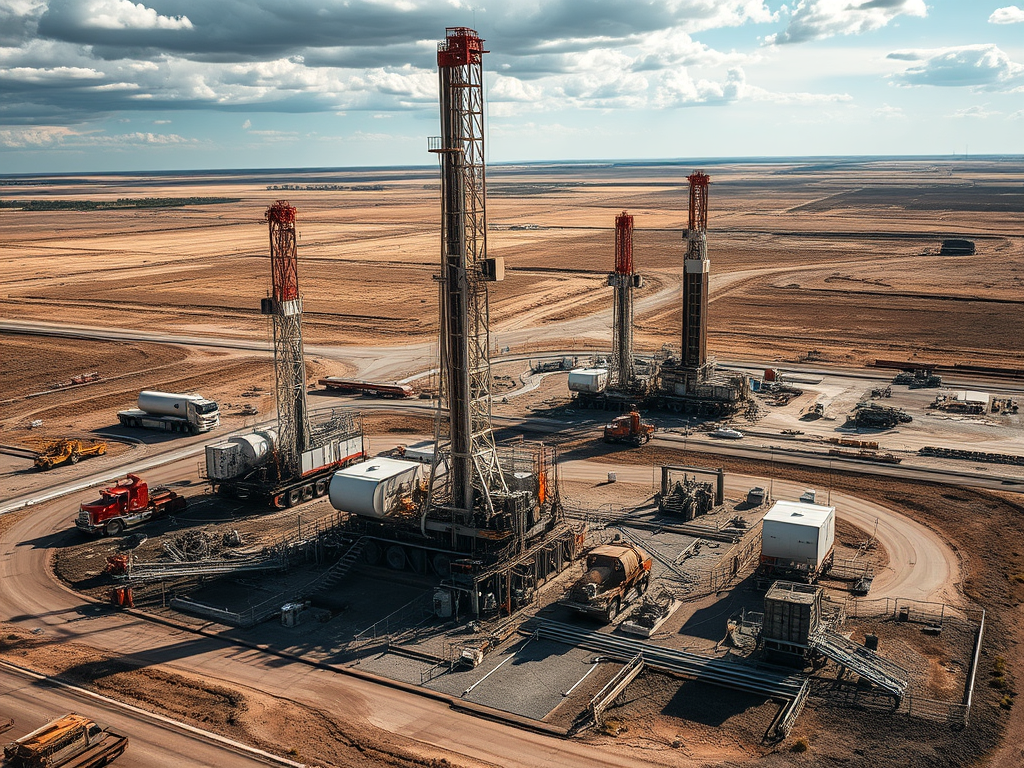

Fracking Insurance Guide for North Dakota
Real-World Case: In 2019, a fracking operation in Williston faced a $2.3 million lawsuit after a pipeline leak contaminated groundwater affecting 47 nearby properties. Without proper environmental liability coverage, the company would have faced bankruptcy. This highlights why comprehensive fracking insurance is essential in North Dakota’s energy sector.
Essential Insurance Requirements for North Dakota Fracking Operations
North Dakota mandates comprehensive insurance coverage for hydraulic fracturing operations. Required policies include:
- General Liability Insurance: Minimum $1 million per occurrence
- Environmental/Pollution Liability: $5 million coverage for contamination claims and remediation costs
- Workers’ Compensation: Mandatory for all employees and contractors
- Commercial Auto Insurance: For equipment transport and fleet vehicles
- Cyber Liability Coverage: Protects against data breaches and system attacks
- Equipment/Property Insurance: Covers expensive drilling and fracking machinery
- Professional Liability: For errors and omissions in operational decisions
- Umbrella/Excess Liability: Additional protection beyond primary limits
Bonding Requirements: North Dakota requires surety bonds ranging from $50,000 to $2 million depending on well depth and location, plus restoration bonds for surface damage. Operators must provide financial assurance for well plugging costs, typically $60,000 to $100,000 per well.
Federal and State Regulatory Framework
Federal Regulations: EPA Clean Water Act, Safe Drinking Water Act, Clean Air Act, and OSHA safety standards govern environmental protection and worker safety, including H2S exposure protocols. Companies must maintain detailed compliance documentation and undergo regular federal inspections.
North Dakota State Requirements: The Industrial Commission oversees drilling through the Department of Mineral Resources. Operators must obtain drilling permits ($100-$250 each), submit completion reports within 60 days, and maintain environmental monitoring records. Additional requirements include spill prevention plans, waste management protocols, and regular safety inspections.
Local Compliance: Counties often impose road use agreements, noise ordinances, and setback requirements from residential areas. Some municipalities require special permits for equipment transportation.
Understanding Hydraulic Fracturing Operations
Hydraulic fracturing injects high-pressure water, sand, and chemicals into underground rock formations to release trapped oil and gas. The process involves drilling vertically to depths of 8,000-12,000 feet, then horizontally through shale formations for up to two miles, creating fractures that allow hydrocarbons to flow to the surface.
Each operation requires 3-5 million gallons of water mixed with 40,000-80,000 pounds of sand and chemical additives. Wells take 30-60 days to complete, with 24/7 operations. North Dakota’s Bakken formation has made the state America’s second-largest oil producer, with over 1,500 active drilling rigs and an estimated 7-24 billion barrels of recoverable oil.
Insurance Cost Considerations
Insurance premiums vary significantly based on company size, safety record, and operational scope. Small operators typically pay $200,000-$500,000 annually, while major companies may spend $2-5 million per year. Key factors include claims history, safety programs, and equipment age.
🎯 Fun Facts About North Dakota Fracking
- North Dakota produces over 1.5 million barrels of oil daily—enough to fill 2.5 Olympic swimming pools!
- The state has over 16,000 producing wells, each generating an average of $50 million in lifetime revenue
- A single fracking operation uses 3-5 million gallons of water—equivalent to what 400 families use yearly
- North Dakota’s oil boom created over 75,000 jobs and transformed Williston from 12,000 to 35,000 residents
- The Bakken formation spans 200,000 square miles across North Dakota, Montana, and Saskatchewan
- North Dakota went from producing 100,000 barrels per day in 2005 to over 1.5 million barrels daily today
- The state collects over $500 million annually in oil extraction taxes, funding schools and infrastructure
Ready to protect your fracking operation? Our specialized insurance experts understand North Dakota’s energy sector challenges and can customize comprehensive coverage that keeps your business running safely and profitably. Contact us today for a detailed quote.


Leave a Reply